It’s time to host your Stakeholder Service Meetings
We are committed to hosting regular stakeholder service meetings, every 6 months, across our Home, Community and Work divisions. These meetings allow us to build and maintain strong relationships that ultimately create successful outcomes for the people we support.
Stakeholder service meetings are the perfect opportunity to gather feedback that can help us improve offerings and address people’s concerns. We do this through having genuine conversations with people and following up with any issues that are raised in a timely manner.
We are here to support you!
We have created a suite of assets, which you can find in the DMS, or on the Stakeholder Service Meeting page. If you are unable to find what you are looking for, or need any assistance, you can email [email protected].
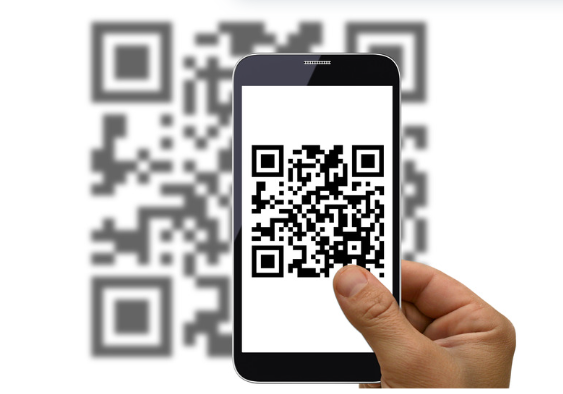
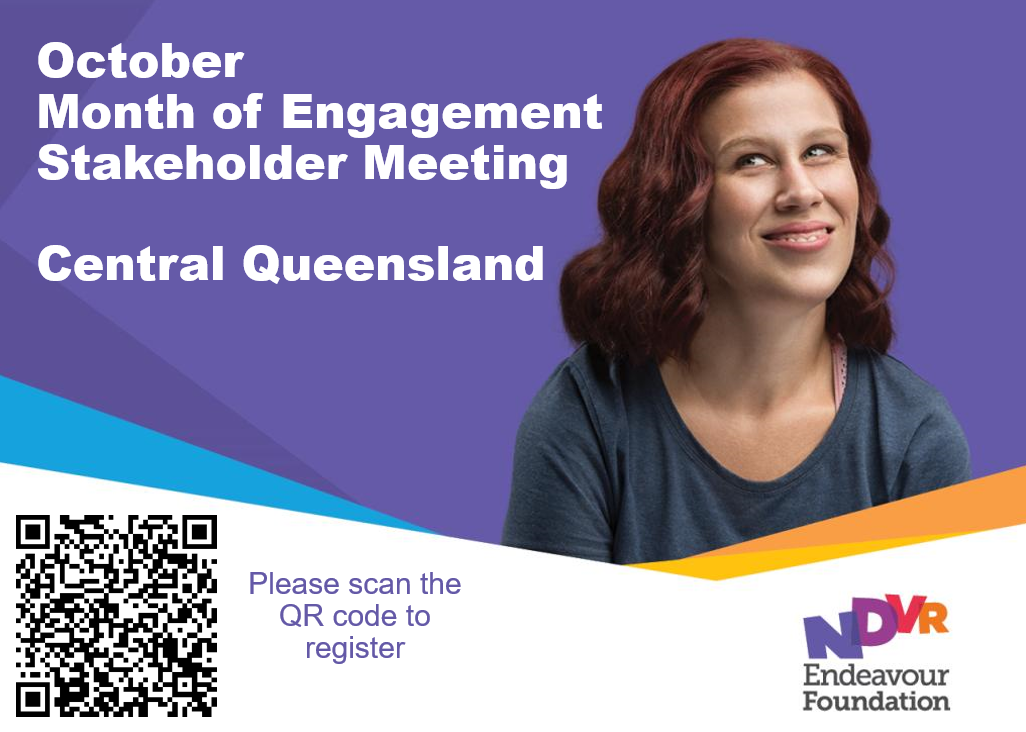
This month, we are asking for all attendees to register at the meeting they attend via a QR code. This code is different for each region. We have also included the QR code in the presentation.
QR Codes
Click on the link below to download
PowerPoint presentation
Click on the link below to download
Speaking points
We realise that there is a lot of content that you need to cover during the meeting. We have created speaking points, which can act as a type of script during your meeting. Feel free to update these and the presentation to reflect other topics that you may wish to discuss.
Your Stakeholder Service Meeting

Visit the Stakeholder Service Meeting page for helpful information and templates to assist you:
- Before the meeting
- Meeting day
- After the meeting
Updating meeting minutes in Carelink+
Please remember to upload your meeting minutes on Carelink+. You can follow the steps below, and you can also download and print the ‘Uploading your meeting minutes to Carelink‘ document.
- Click on the ‘Facility’ button in the ‘Search’ menu
- Type in the name of the facility (site) where the meeting took place
- Click on ‘Attached Documents’
- Click on ‘Attach New Document’
- When saving, please use the following naming convention as the description:
- ‘year.month.date_name of document_street number and street name’
- eg. ‘2023.09.23_October stakeholder service meeting minutes_34 Wiemers Crescent’
Uploading the minutes ensures that we have access to the meeting outcomes and agreed actions and helps us to track progress on actions agreed at the start of each meeting.
Q&As
We have collated some Q&As for you. Click here for a downloadable version.
What are stakeholder service meetings?
Stakeholder service meetings are our biannual meetings.
Who are our stakeholders?
Our stakeholders are at the heart of our service – the people we support, their families and carers.
Why do we need stakeholder service meetings?
They are an easy way to manage our important relationships with the people we support, their families and carers.
Because these meetings are deliberate, we can engage with people in a meaningful way which will help in successful outcomes.
What is the format of these meetings?
The format may vary depending on the nature of your service and the number of people attending. You’ll find an agenda template here.
What makes a meeting successful?
There are 5 easy ways to make your meeting successful.
- Facilitate open and respectful communication
- Document the meeting with minutes. You’ll find a minute template here.
- Upload the minutes in Carelink. Instructions are above.
- Follow-up the actions.
- Share the date for the next meeting.
We invite stakeholders but they don’t come. What should we do?
This happens but don’t give up…you can:
- reach out after the meeting to find out why they did not attend.
- adjust the communication methods – maybe the stakeholder has difficulty attending in-person meetings consider offering a virtual meeting.
- share meeting minutes – this will allow them to stay informed about what was discussed and any decisions that were made. It also gives them an opportunity to provide feedback or ask questions!
What to do if a stakeholder who was not invited shows up?
This may happen, so handling the situation professionally and respectfully is important.
Here are some steps you can take:
- Acknowledge them and let them know that their presence is appreciated, but also explain that the meeting is intended for people currently accessing the service.
- Assess the situation: If you think they may have valuable insights you can let them stay. If not, try to arrange a separate meeting with them to discuss their concerns.
- Manage the meeting dynamics: If the stakeholder’s presence is disruptive or the meeting is running behind schedule, you may need to politely ask them to leave or suggest a separate meeting to discuss their concerns would be more relevant.
- After the meeting, follow up to address any concerns they may have.
Can Area Advisory Group members attend the meetings?
Yes, if their family member is accessing a Home or Community service, they can attend one of those meetings. If not, they are welcome to attend the meeting at the social enterprise.
How can I deal with a difficult stakeholder at a meeting?
Dealing with difficult stakeholders in a meeting can be challenging.
Here are some tips to help you manage the situation:
- Prepare in advance by thinking about potential questions or concerns that may come up and reach out to your leader to help prepare a response. You’ll find some curly questions here.
- Listen carefully and try to understand their perspective. Be respectful and empathetic, even if you don’t agree with their point of view.
- Stay calm and professional, even if they become confrontational or aggressive.
- Keep your responses clear and concise.
- Look for areas of agreement or common ground and try to build on those to move the conversation forward.
- After the meeting, follow up with them as it shows that you’re committed to finding a resolution.
How to deal with privacy issues at a stakeholder meeting?
People want to feel comfortable sharing information and participating in meetings so when it comes to privacy matters. the key is to avoid sharing any unnecessary personal information of individuals such as health information, funding amounts, contact details etc…
News
View all
Director Election Expression of Interest

Are you in email overload?
Grant funding brings new life to Alex Hills L&L

BRACE proposed changes

Fire Services – Chubb Fire & Security is our new provider