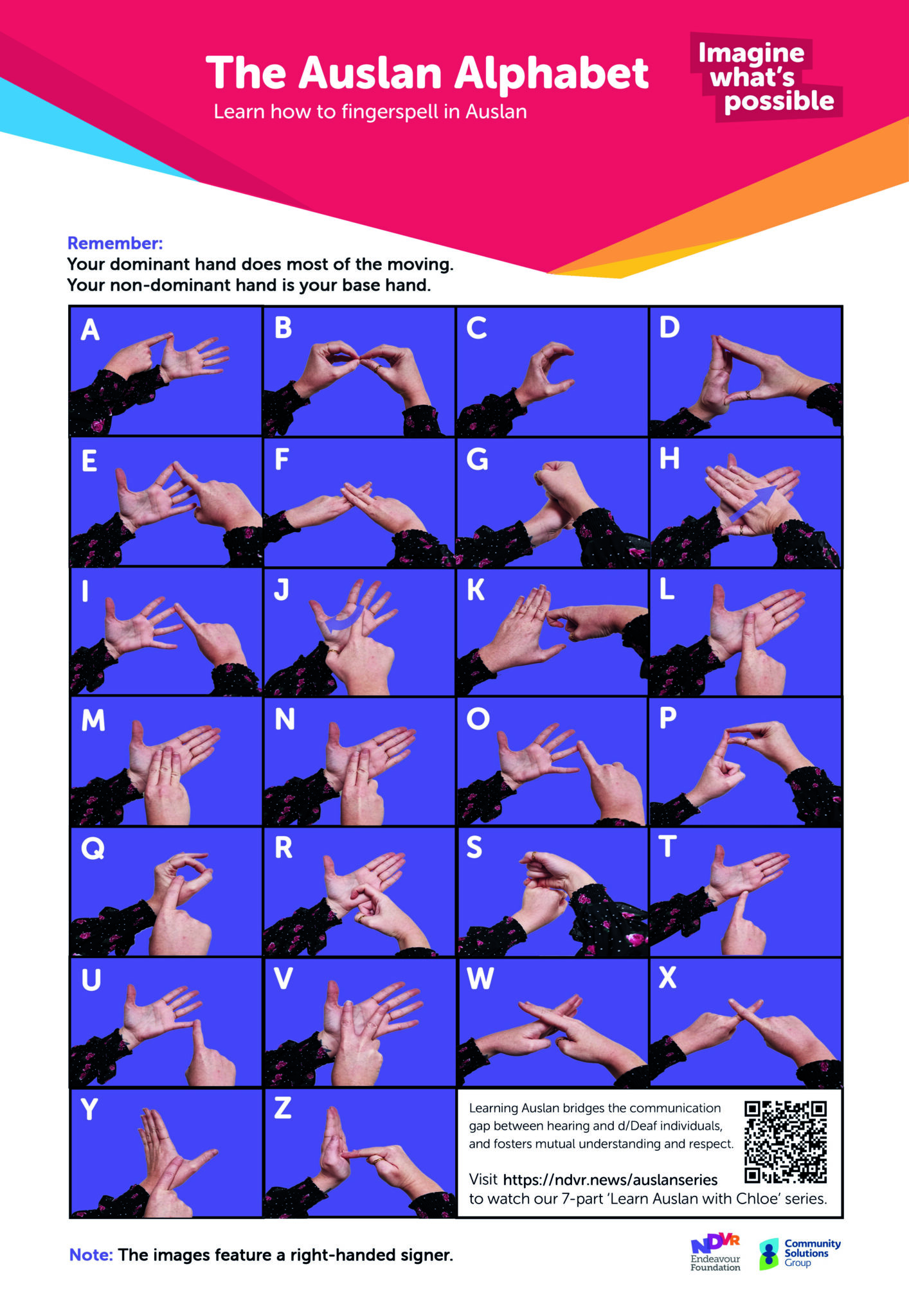
Auslan Alphabet Poster
Learn the Auslan alphabet.
We are dedicated to promoting diversity, equity, and inclusion to create belonging in our organisation. This commitment ensures that #TeamPossible can better support employees and people with disability to live, learn, work and flourish.
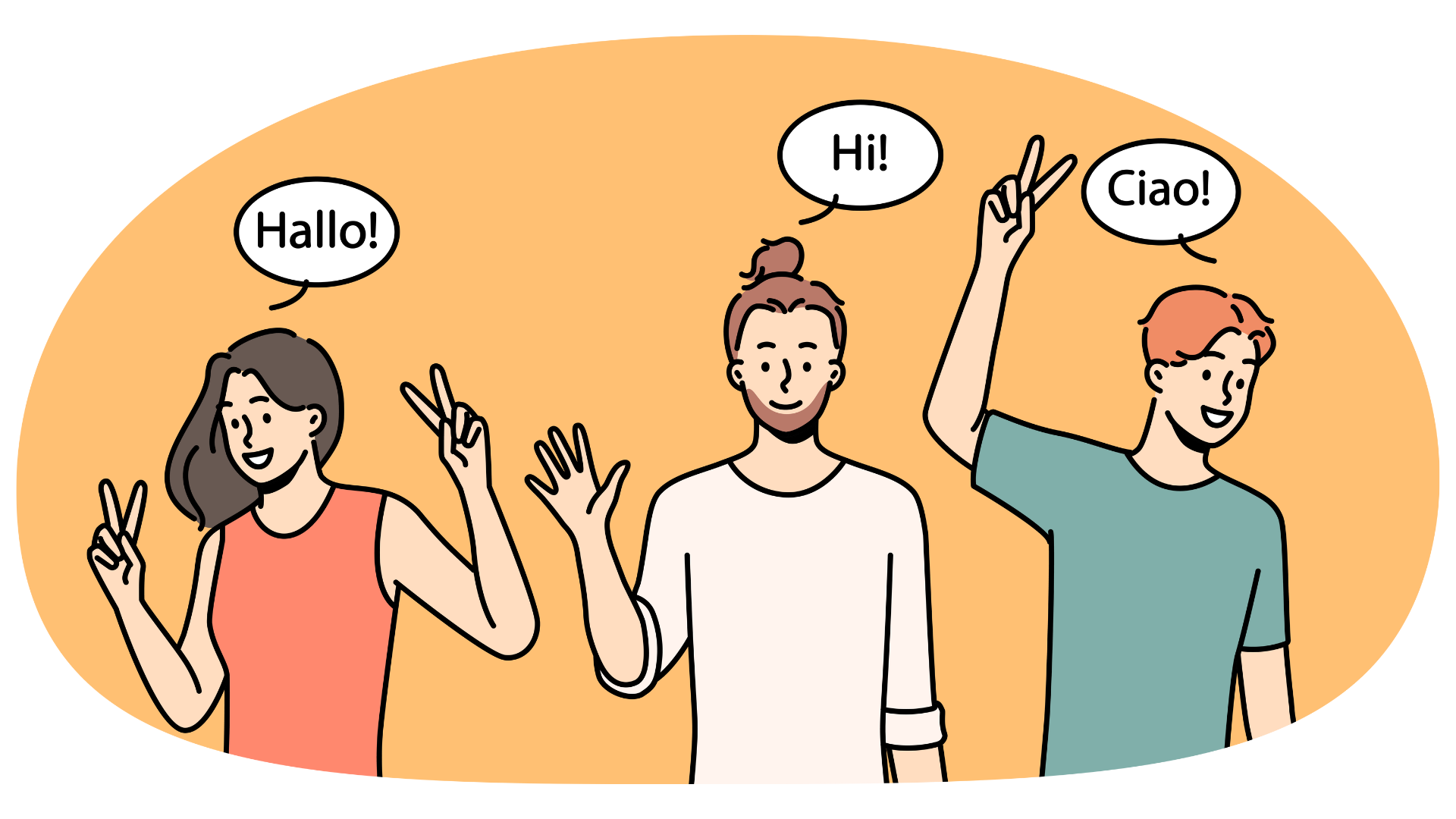

In 2021, just over 7 million people in Australia were born overseas, representing 27.6% of the population (Australian Bureau of Statistics census 2021). We recognise our own diverse #TeamPossible, days of significance and continue to build inclusive policies to support our culturally and linguistically diverse workforce to flourish.
Cultural diversity means having a mix of people from different cultural backgrounds. It can include differences in cultural/ethnic identity (how we identify ourselves and how others identify us), language, country of birth, religion, heritage/ancestry, national origin, and/or race.

This cultural diversity definition recognises that
Diversity Council Australia (O’Leary, J. and Groutsis D.), Diversity Definition, Sydney, Diversity Council Australia, 26 June 2020.
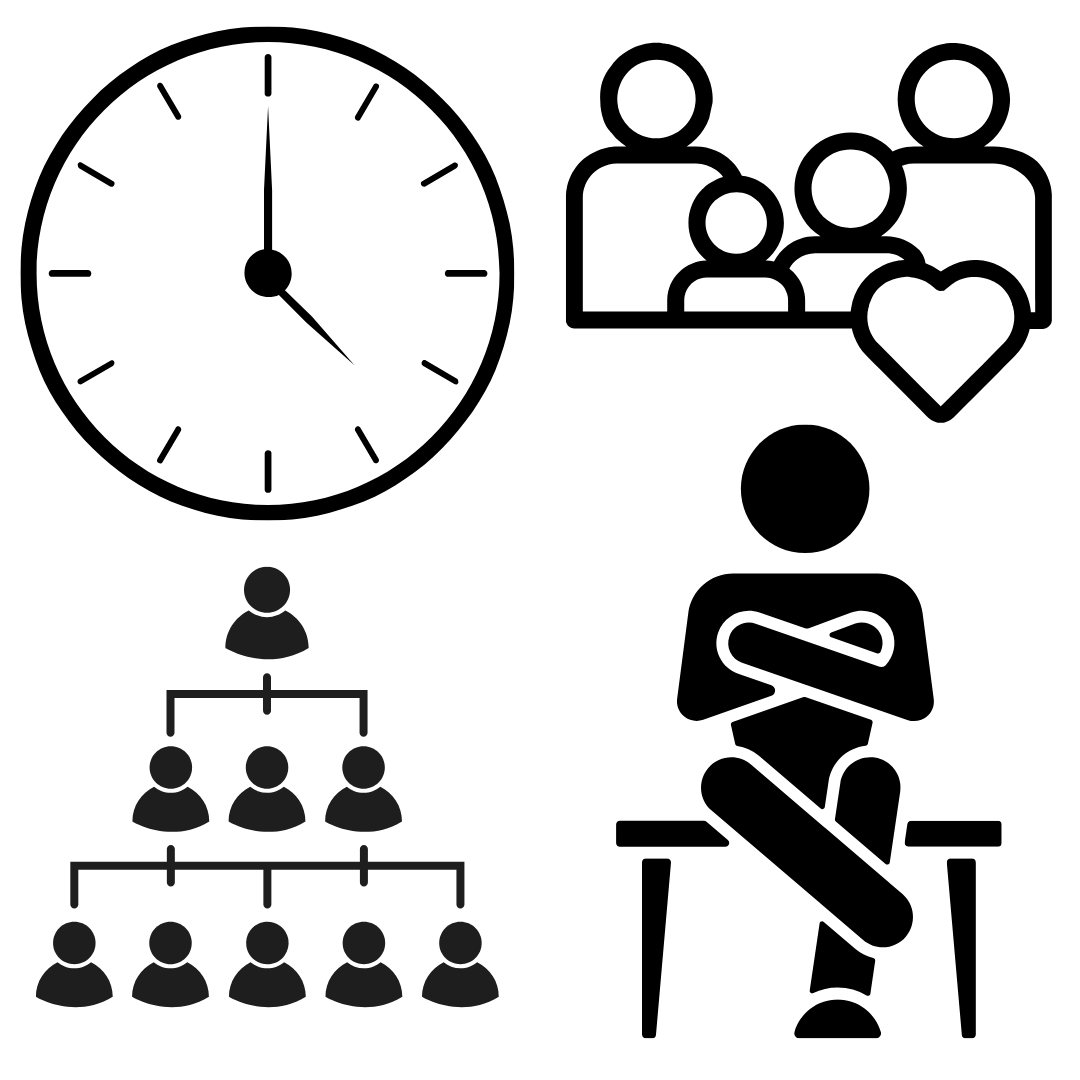
Cultural differences really shape how we approach things like time, communication, family, hierarchy, and body language. Your team members may place different levels of importance in different areas based on their cultural history. For example:

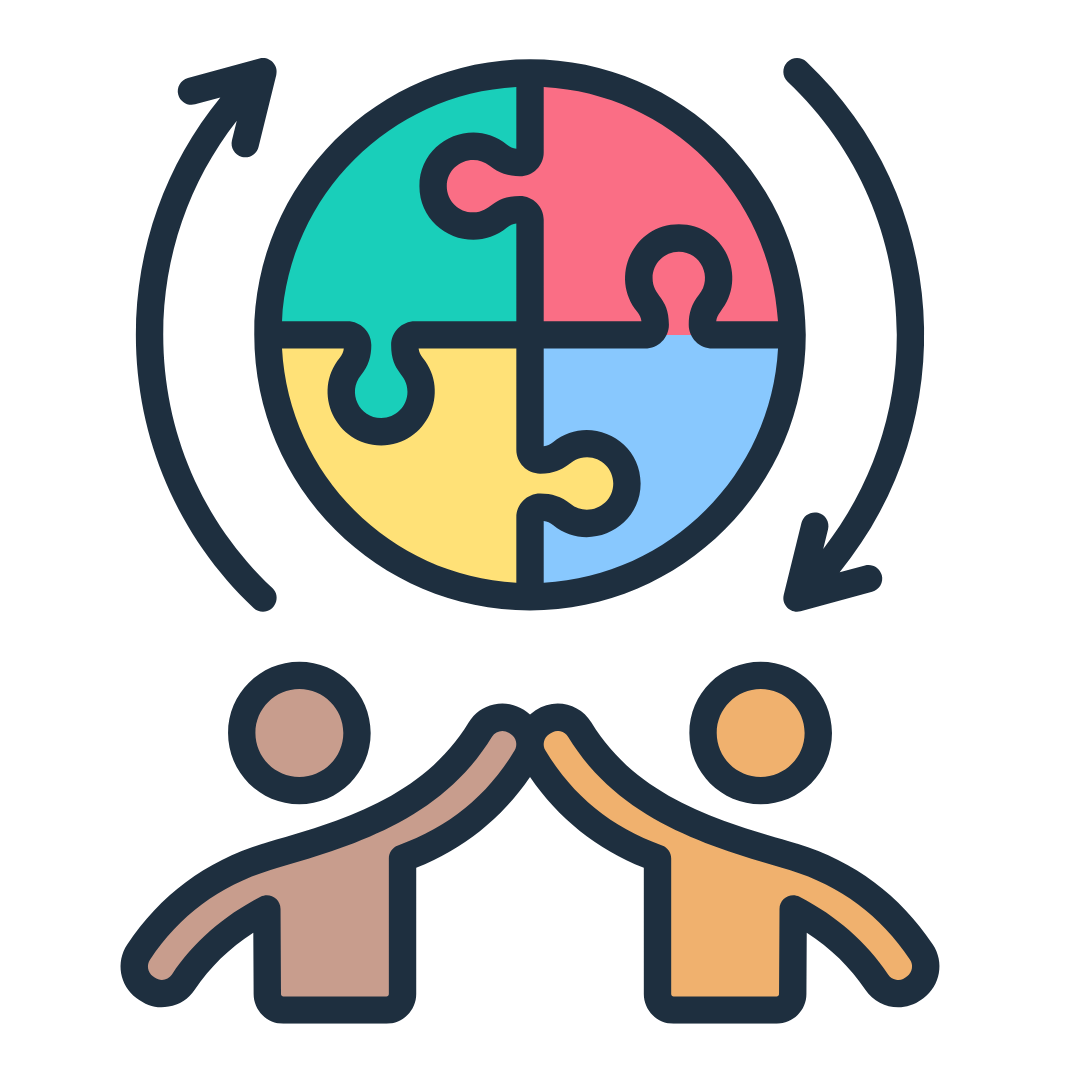
Being aware of these differences helps us connect better and avoid misunderstandings. Having open conversations and understanding with curiosity can help us to bridge the gap and create inclusive workplaces.
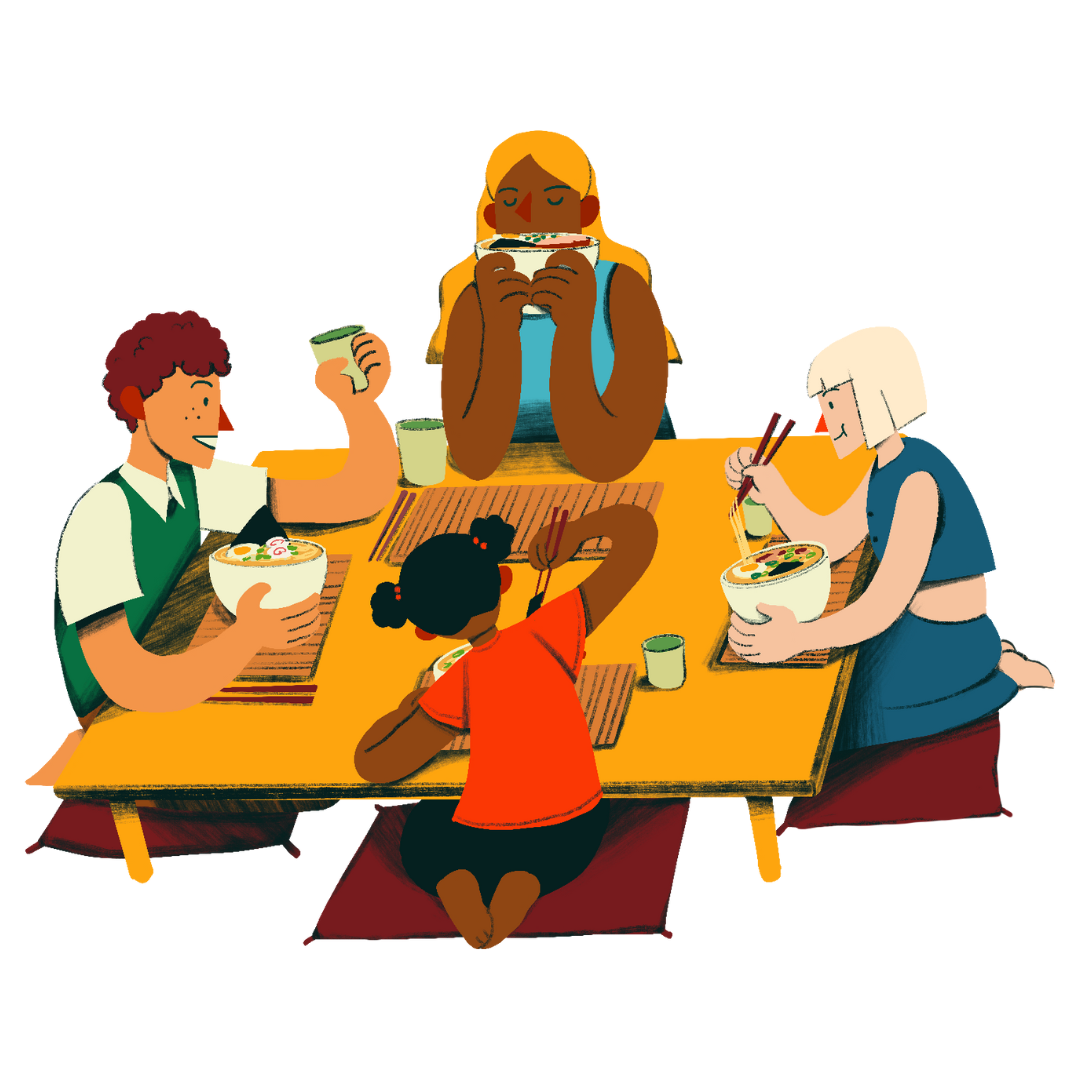
Awareness is knowing this is how we see the world. It is the unique characteristic and experiences that have made us who we are, and set our comfort zones.
Understanding is showing a curiosity to view how others see the world. Does their cultural history impact their responses and behaviours differently to yours?
Intelligence is when you take the time to try and bridge the gap– How can we stretch our comfort zones? How can we create respectful cultural workplaces?
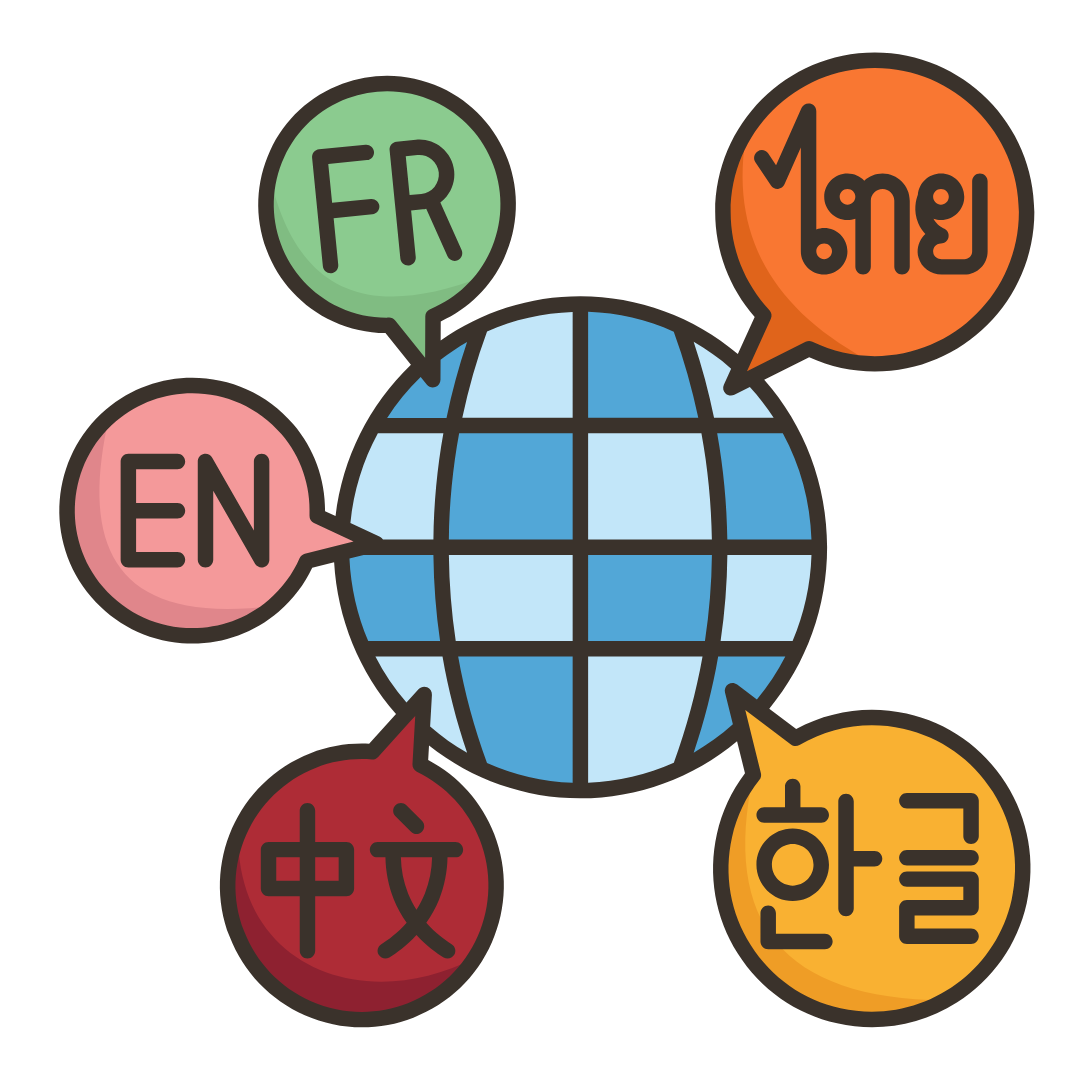
Names are an important part of peoples’ identity, and it is respectful to address people by their name. In some countries naming conventions may vary. If someone’s name is unfamiliar to you, ask the person and learn how to correctly pronounce their name.
Making assumptions based on stereotypes can make people feel like they do not belong. Making statements like ‘Where are you from?’, ‘Your English is so good.’, does not build an inclusive culture.
Terms such as ‘Ethnic groups’, imply that migrant heritage is not usual. Refer to people who live in Australia as Australians.
Terms such as ‘migrant’ and ‘immigrant’ imply a marginal or temporary status and do not need to be used once a person has settled in Australia.
Racism it stops with me has developed a self-reflection and education guide available for free download that outlines 5 Common Myths and Misconceptions about racism. The guide helps to build you anti-racism skillset focusing on 5 main skill points:
Converge International understands that people face many challenges in their lives and that sometimes, these require specialised support. Endeavour Foundation organisation offers specialist support through a range of specialist phone helplines available during business hours in addition to the existing Employee Assistance Program services.

We respect the fact that an individual’s spiritualism and journey can take on many guises. In accessing our helpline you will be offered connection with counsellors from a number of different specific faiths, or you may choose to speak to a counsellor who consults outside any specific faith based context: 1300 772 435
The Queensland Government has compiled the Queensland Multicultural Resource Directory to provide a list of organisations that offer multicultural information, advice, support and opportunities. You can also check out Multicultural Affairs Queensland’s calendar to view upcoming local community events.