Reconciliation | First Nations Respectful Engagement guide
How to be more respectful when engaging with First Nations…
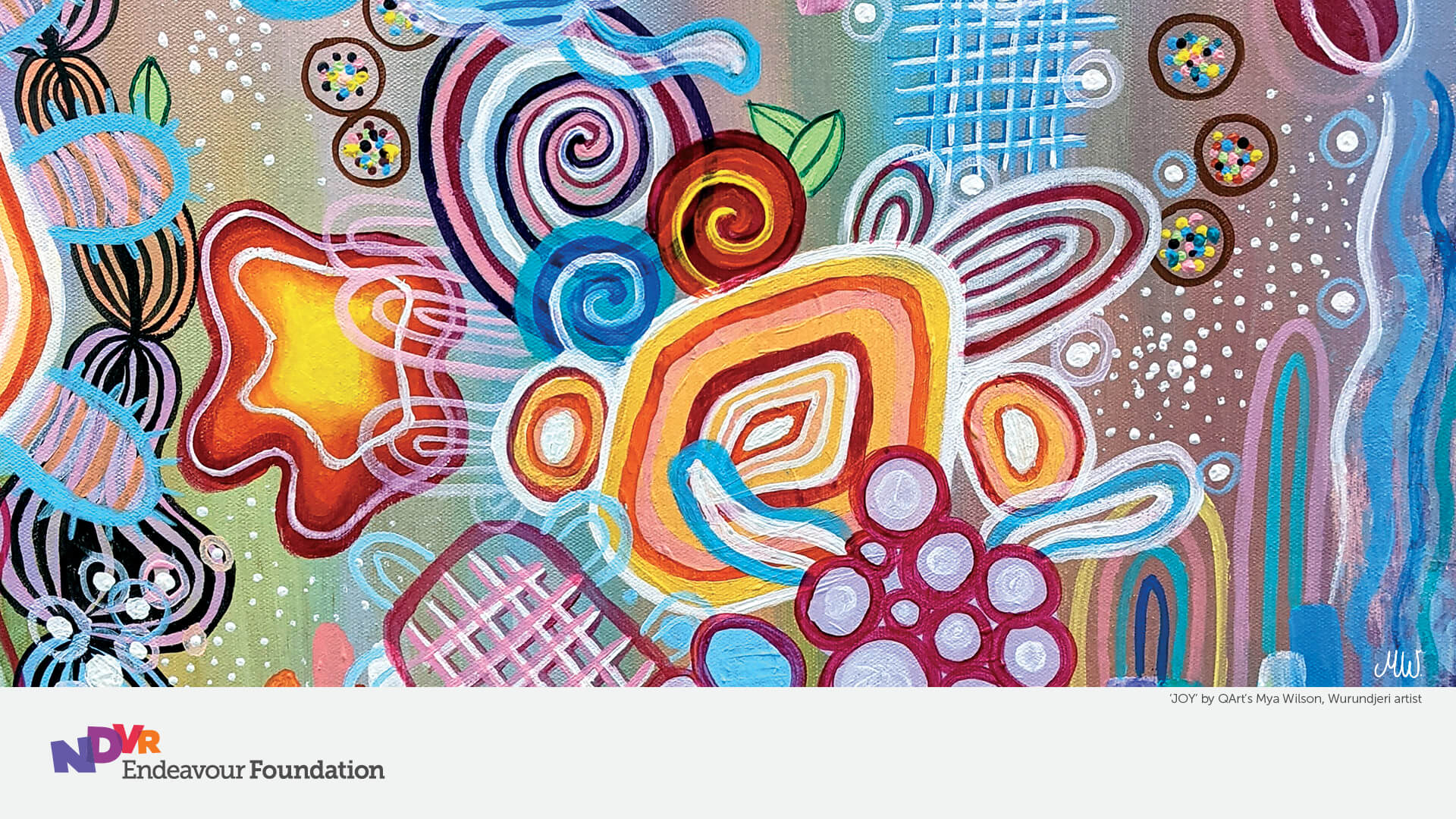
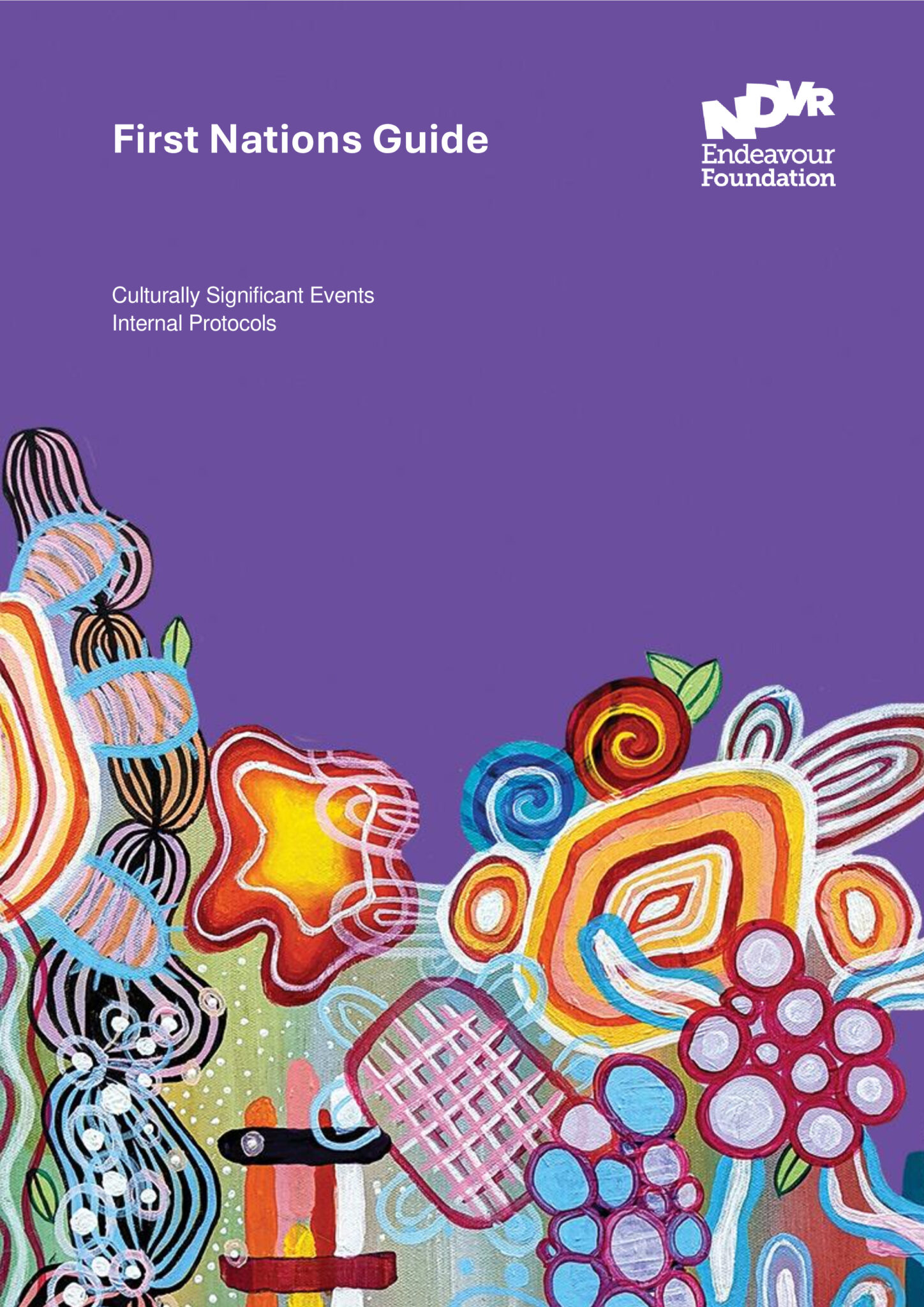
‘Joy’ (pictured above) by QArt Wurundjeri artist, Mya Wilson. Joy represents our journey to build awareness and understanding of Aboriginal and Torres Strait Islander histories, cultures, and contributions to support the implementation of our reconciliation initiatives.


Endeavour Foundation and Community Solutions acknowledges the Traditional Owners and their continuing connections to land, sea, and community. We pay our respects to Elders past and present and extend that respect to all Aboriginal and Torres Strait Islander peoples today.

We embrace the importance of reconciliation and the significant role we can play in it. We are committed to increasing opportunities and improving outcomes for Aboriginal and Torres Strait Islander individuals, families and communities.
Our journey towards reconciliation is based on facilitating and participating in activities that confirm and display our commitment to reconciliation.

A First Nation Inclusion Guide and First Nation Engagement Guide have been developed to share introductory respectful language and protocols in creating cultural safety at Endeavour Foundation, Community Solutions and BRACE.
The guides are not to replace consultation with traditional owners, local Elders and community. Consultation is essential and actions depend on the preferences of people involved, acknowledging the diversity of cultures, communities and language.
One of the most significant drivers of business engagement with Indigenous Australians’ rights has been through Reconciliation Australia and their Reconciliation Action Plan (RAP) Program.
The RAP Program enables organisations to sustainably and strategically take meaningful action to advance reconciliation through four types of RAP – Reflect, Innovate, Stretch and Elevate. Our Reconciliation Action Plan (RAP) is important, and our RAP Working Group plays a crucial role in guiding our efforts towards reconciliation.
Through the development of our Reflect RAP and our learnings on our journey, we have set our aspirations and strengthened our commitments to strategically lead reconciliation initiatives through the development of an Innovate Reconciliation Action Plan (in development).

Our first reflect RAP was developed in 2015 building on the desire to recognise our Aboriginal and Torres Strait Islander employees and to be more responsive to the needs of Aboriginal and Torres Strait Islander peoples in the communities in which we do business. Our second Reflect RAP was developed in 2021 with the aim to re-establish key relationships, provide cultural awareness among our employees, and recognise our Aboriginal and Torres Strait Islander employees setting up the steps to prepare us for reconciliation in our successive RAPs . We are currently working towards our Innovate RAP with our internal RAP working group and external First Nation consultants.
The Artwork for our second RAP was created by QArt Wurundjeri Artist Mya Wilson.
I have used modern bright pastel colours to lighten the mood. I wanted it to represent fun and give you happiness when you look at it. The intention is to create a feeling of happiness, growth and hope. I also wanted it to connect to the land too. For me, the land gives me joy.

Our RAP governance ensures our Reconciliation Action Plan (RAP) stays on track to achieves its goals. The RAP Working Group leads the way, partnering with an Executive Sponsor and senior RAP champions for guidance and support.
These roles also act as the liaison and link to the business, offer advocacy raising the profile of reconciliation and strategic guidance in the achievement of reconciliation goals.
This collaboration helps us stay organised, transparent, and focused on achieving the goals set in our Reconciliation Action Plan.

Reconciliation Australia’s RAP Framework provides organisations with a structured approach to reconciliation through relationships, respect and opportunities. There are four RAP types, with Endeavour Foundation Group currently developing an Innovate RAP. More on RAP’s can be viewed here.
The RAP Working Group is an employee-led group who work together to help move us toward reconciliation, identifying deliverables and actions for our organisation to work towards. This core working group includes our people who have expressed interest in joining the RAP Working Group, with expertise through lived experiences or allyship.
Collective Responsibility
Our reconciliation journey requires a collective and collaborative effort ensuring the development of our RAP is guided by Aboriginal and Torres Strait Islander knowledge and perspectives. While our RAP Working Group help to guide us with our RAP actions, everyone has a role in fostering understanding, healing, and making meaningful change across the Endeavour Foundation Group
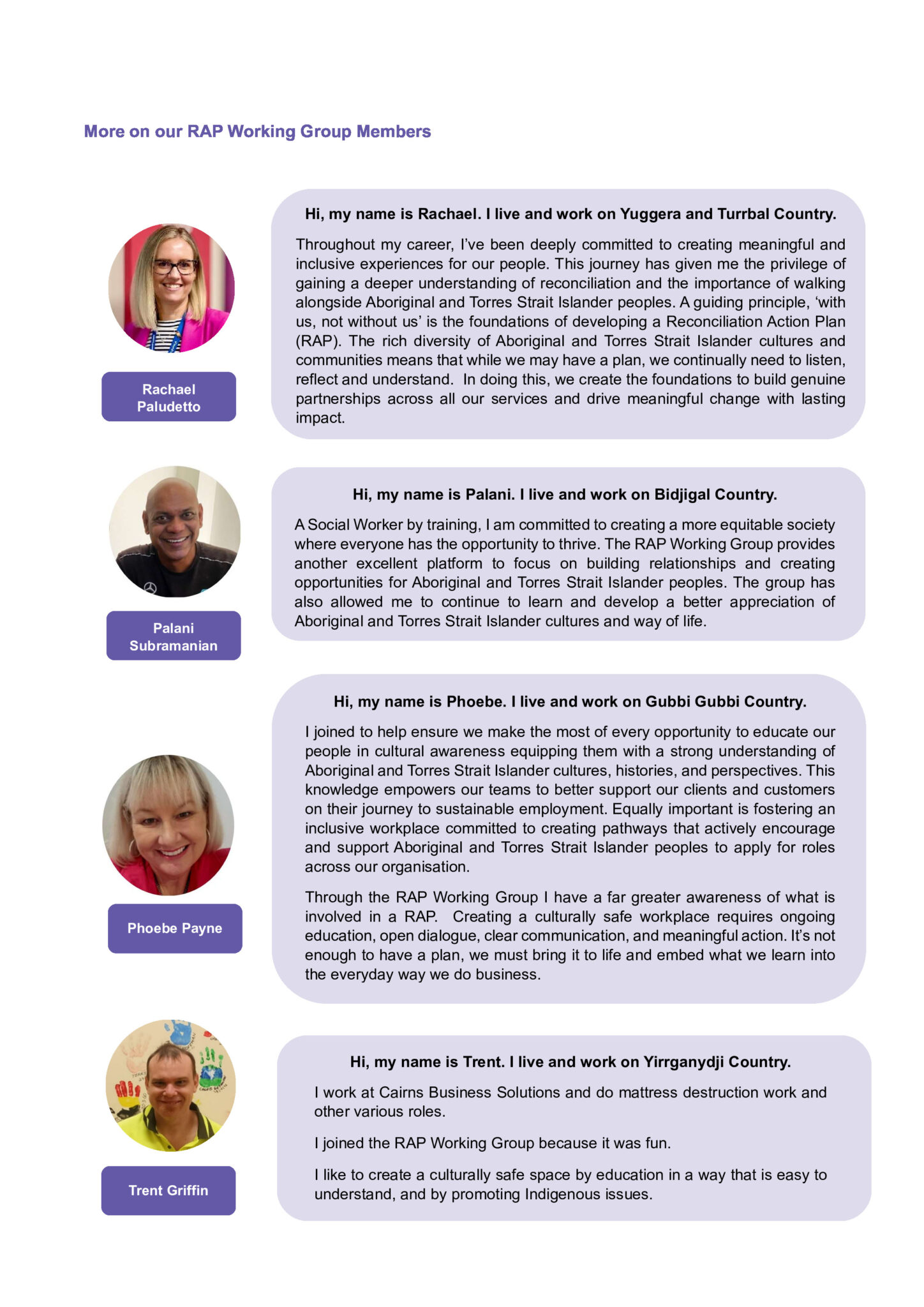
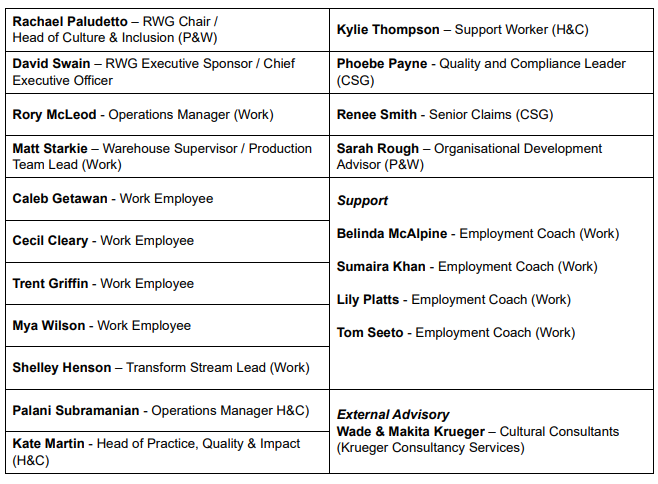
Meet our RAP Working Group (RWG) Members
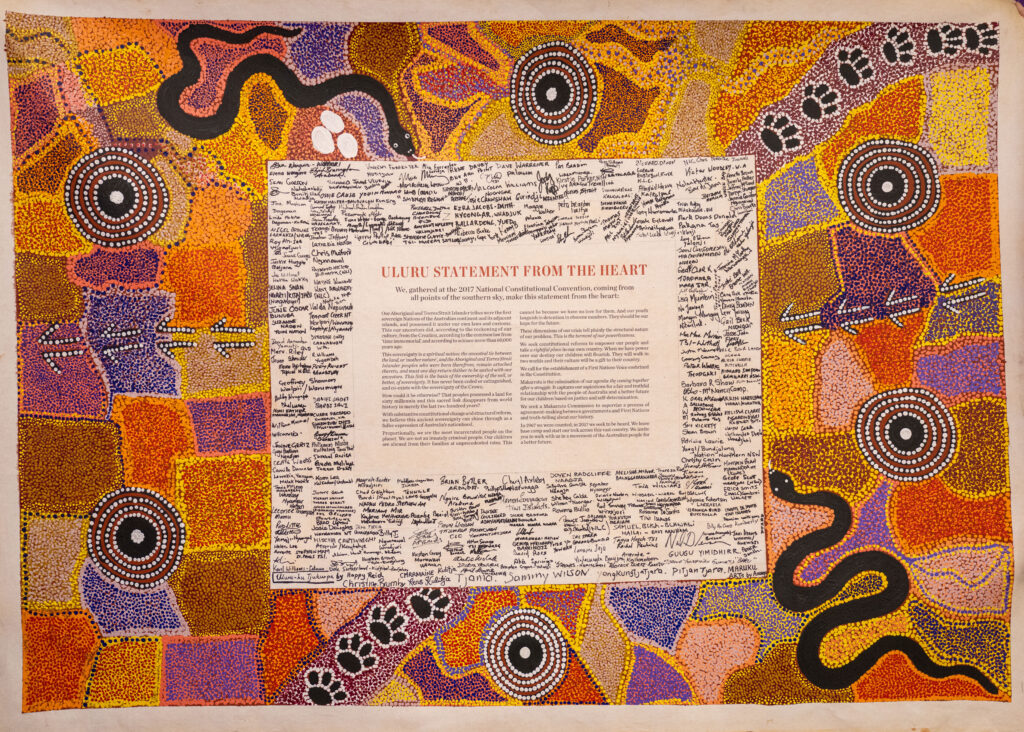
We are committed to standing with Aboriginal and Torres Strait Islander peoples on the journey to reconciliation.
We recognise that the creation of the Uluru Statement from the Heart the largest consensus of Aboriginal and Torres Strait Islander peoples on a proposal for substantive recognition in Australian history.
We humbly accept the invitation in the Statement to walk with Aboriginal and Torres Strait Islander peoples towards a more just future and nation.
We commit to playing our part in giving realisation to the Uluru Statement from the Heart.
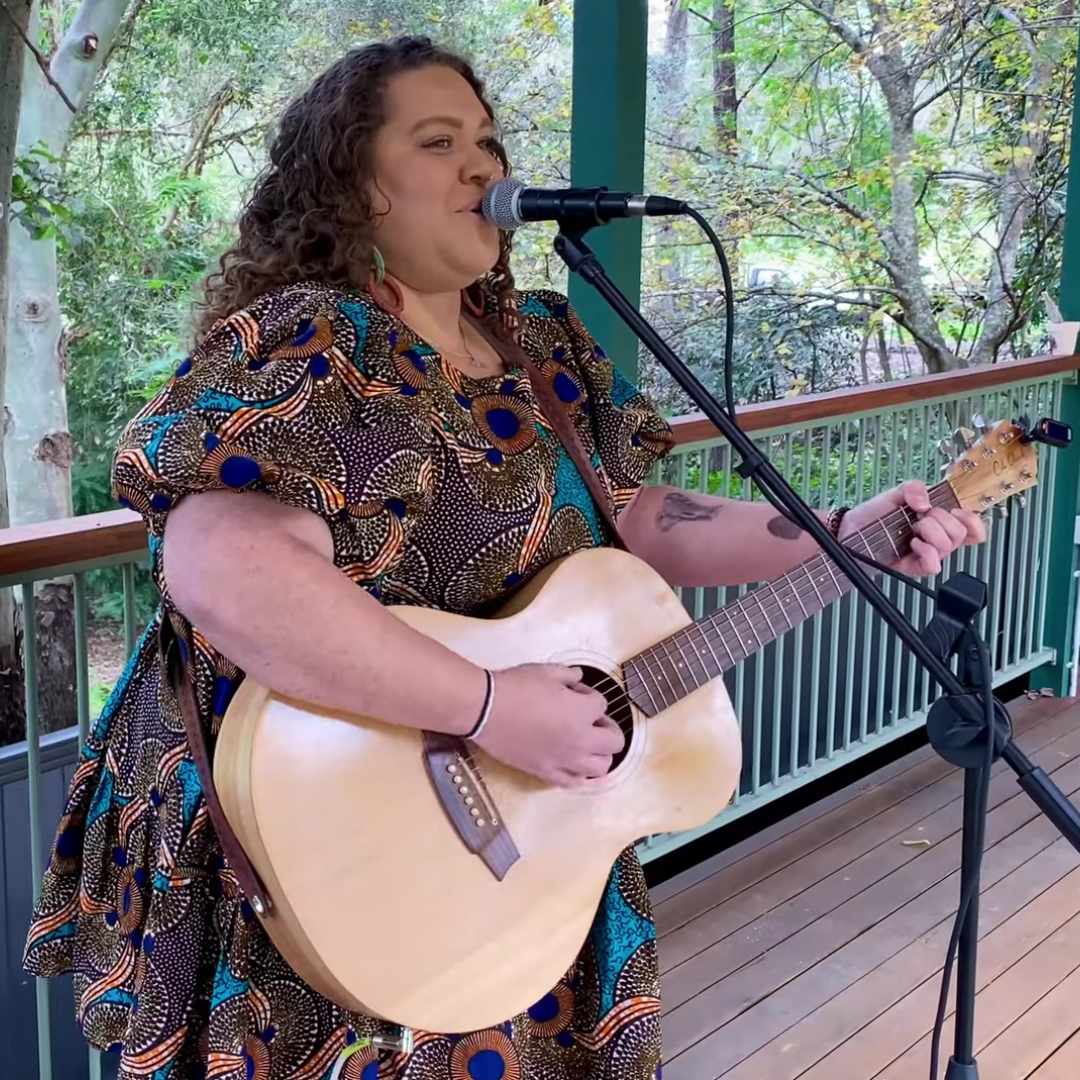
A Welcome to Country is a formal ceremony to welcome visitors to an Aboriginal Country.
Only a Traditional Owner of the land you are meeting on (usually an Elder), an Aboriginal person with approval by the Traditional Owners can give a Welcome to Country.
Welcome to Country is done at major public events, forums and functions.
Welcome to Country occurs at the opening of the event the first item on the program.
Welcome to Country can take many forms including, dancing, smoking or a speech in traditional language or English.
An Acknowledgement of Country is a way of showing awareness of and respect for the Traditional Owners of the land and their long and continuing connection to Country.
Anyone can give an Acknowledgement of Country. It’s typically delivered by the first speaker at the beginning of an event. You do not have to give an Acknowledgement of Country multiple times throughout a meeting or event.
Acknowledgment of Country is done at formal meetings, internally and at smaller events. You can do an Acknowledgement of Country at larger events if a Traditional Owner is unavailable.
Acknowledgement of Country can be a speech at a meeting or event or may be written (e.g. on our newsletters and website).
The Acknowledgment of Country Easy Read guide empowers people we support to have a better understanding of an Acknowledgement of Country, why it is important, and how to give one.
Download an Acknowledgement of Country poster to print and display at the entrance of your site.
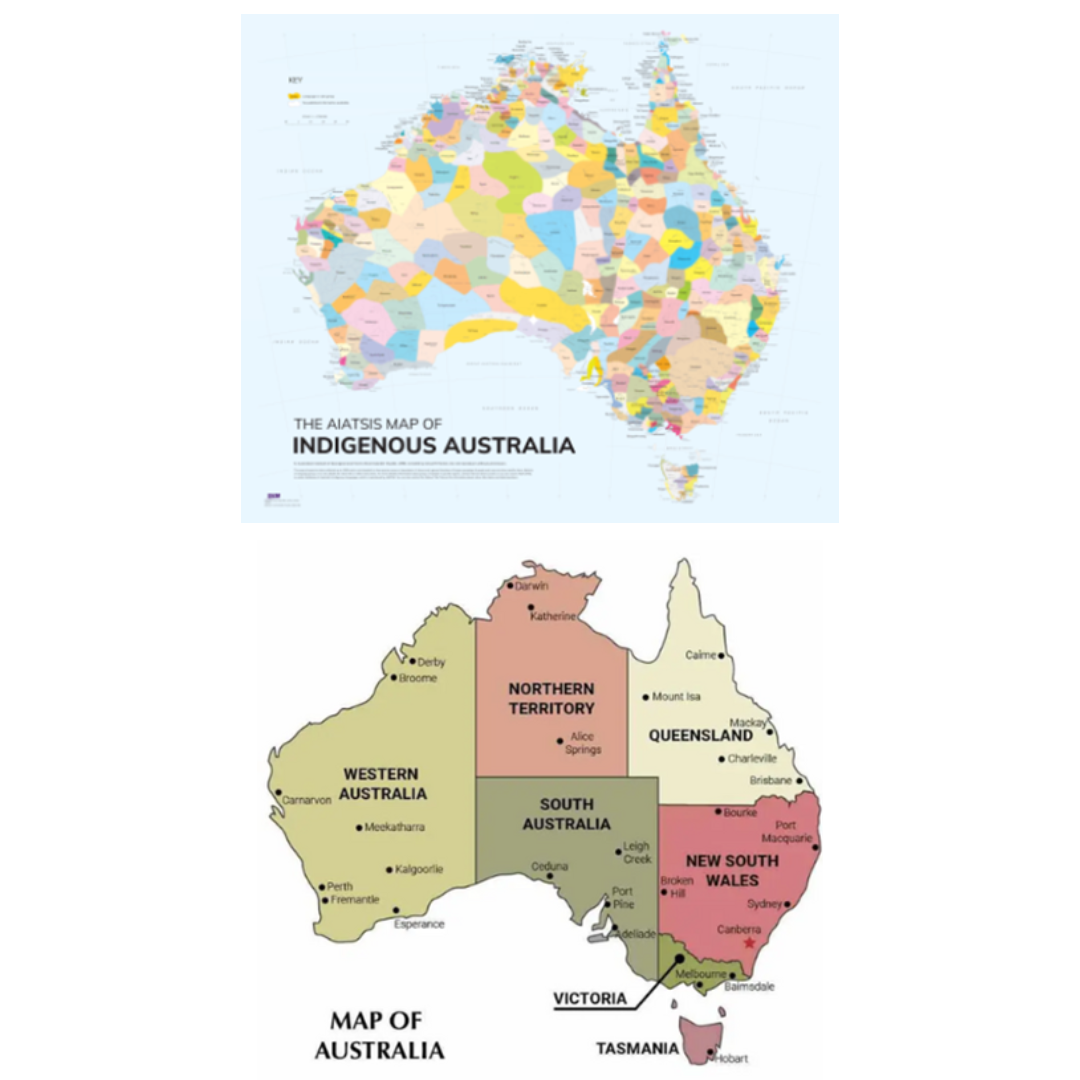
To organise a Welcome to Country visit the Australian Government’s National Indigenous Australians Agency webpage and contact an office in the area where the event is taking place.
To find out about the Country or land you’re currently on or to discover the name of the land where your event is being held use the AIATSIS map of Indigenous Australia to find the name of the Traditional Owners.
You can also use the Reconciliation | First Nations Guide– Traditional Owners Site Directory
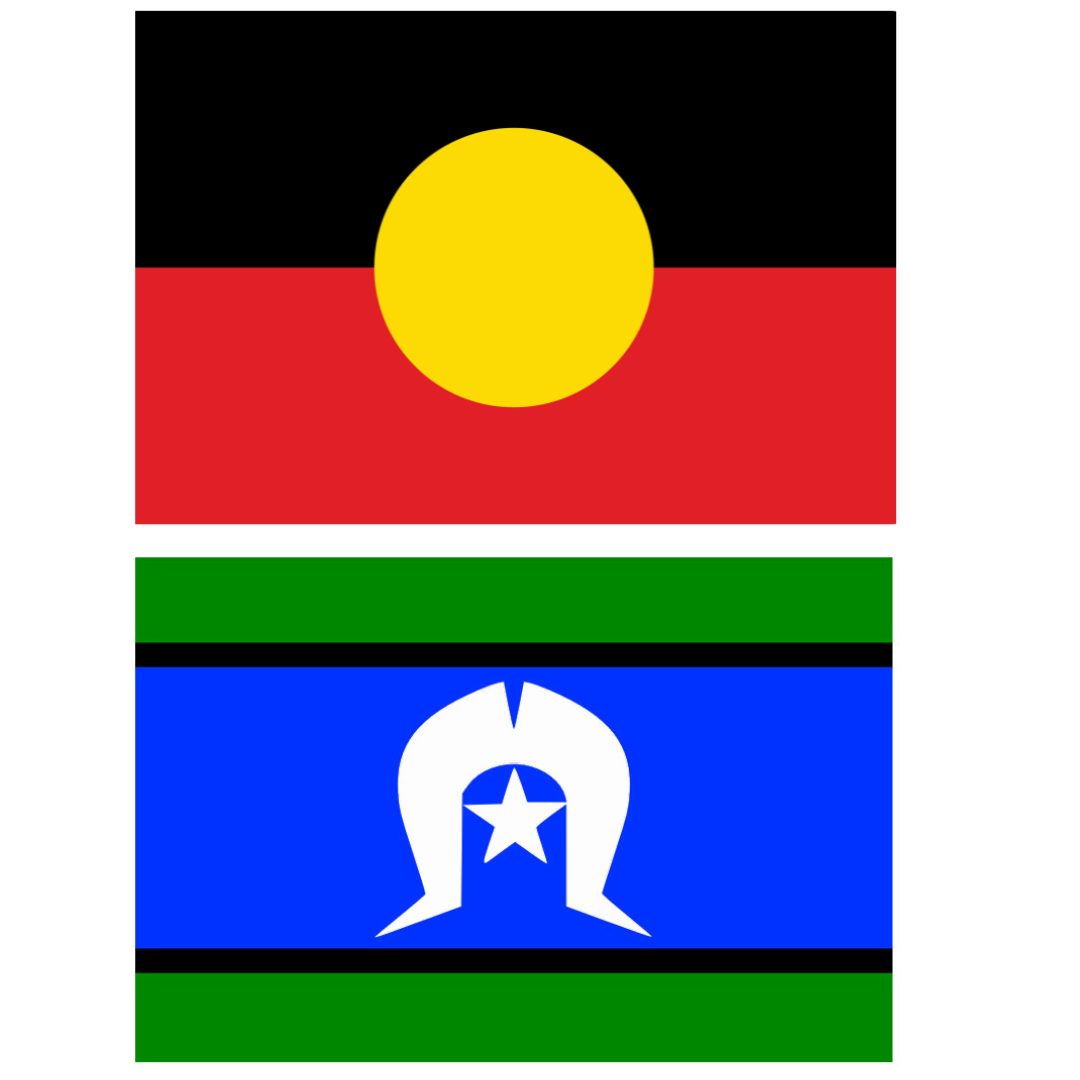
When delivering your Acknowledgement of Country, the most important thing to remember is that there is no ‘right’ way. It just needs to come from the heart and show gratitude and respect to the Traditional Owners of the land. So, let your words flow sincerely and authentically, acknowledging the significance and importance of the land you stand on.
Ask yourself:
An Acknowledgement of Country must:
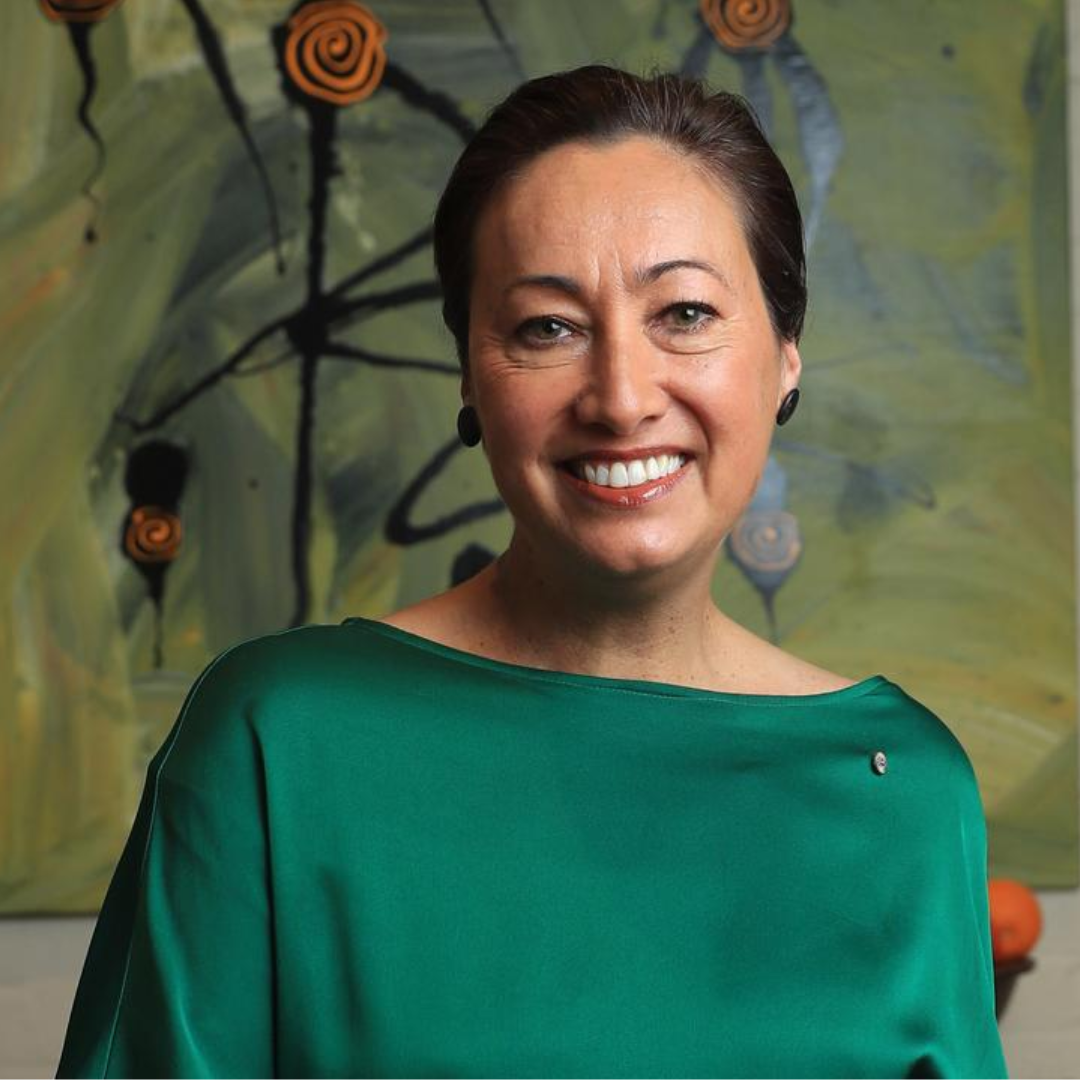
In her TEDx talk, Djiribul woman of far north Queensland, Shelley Reys, explains how to give a meaningful Acknowledgement of Country withoutfeeling pressured to say the ‘right thing’ (9 min).
Make it your own. Free yourself of this idea that there is only one way to deliver an Acknowledgement of Country. Get rid of all of those standard lines that everyone else uses for fear that they’re going to get it wrong. Just make it your own. Because when you make it your own, it’s personal. And when it’s personal, it’s meaningful. And when it’s meaningful, it could never sound like the bit you have to say to get to the real reason you are gathered today. Give it a try this week.

For inspiration, listen to these clips of meaningful Acknowledgements of Country from your colleagues.
Diego Casilimas Charry, Logistics Manager, Social Enterprise:
Hello team. It is a beautiful morning today in Meanjin, otherwise known as Brisbane. I first would like to thank the Turrbal and Jagera people for the land that we work on. I give respect to Elders past and present, and pass that respect on to our Aboriginal and Torres Strait Islander teammates. Let’s have a wonderful day and remember that we are working on Aboriginal land.
CEO, David Swain, at the beginning of a virtual meeting at Support Centre:
I first want to acknowledge the Traditional Owners of the land on which we meet, and I’m sure that we’re meeting from all over the place, given that we’re virtual. For me that’s the lands of the Jagera people to the south of the Brisbane river. I also acknowledge the Turrbal people to the north of the Brisbane river. And pay respects to Elders past and present. Feel free to recognise the land that you’re coming to us from as well in the chat function.

Aboriginal and Torres Strait Islander Cultural Awareness training aims to increase understanding and build a foundational knowledge of Aboriginal and Torres Strait Islander cultures. The training covers a wide range of topics including cultural practices, historical context, contemporary issues, and the importance of reconciliation.
Everyone has a cultural identity and understanding the diverse cultural identities in Australia is an essential element in achieving reconciliation. By completing the training, you will gain knowledge and skills which will help to create an inclusive, safe and respectful workplace.
National Reconciliation Week! A time to learn, reflect and embrace the importance of Reconciliation. Everyone has the potential to play a significant role in our journey towards a more reconciled Australia. We walk alongside Aboriginal and Torres Strait Islander peoples on this journey, committed to embedding reconciliation into the way we work, connect, and live each day – listening, learning and taking meaningful action to help shape a more just and inclusive future.

Converge International understands that people face many challenges in their lives and that sometimes, these require specialised support. Converge offers a range of specialist phone helplines during business hours, in addition to its Employee Assistance Program services. Visit the Converge page for more information.

When you call our First Nations helpline, you can feel safe in the knowledge that we’ll match you with a counsellor of your choosing. Our experienced consultants are either First Nations themselves or have undertaken specialist training in cultural awareness. We provide a safe space for you to talk to someone who can empathise with your issues and provide support. Our consultants can also arrange for referral to other services where necessary or upon request: 1300 287 432