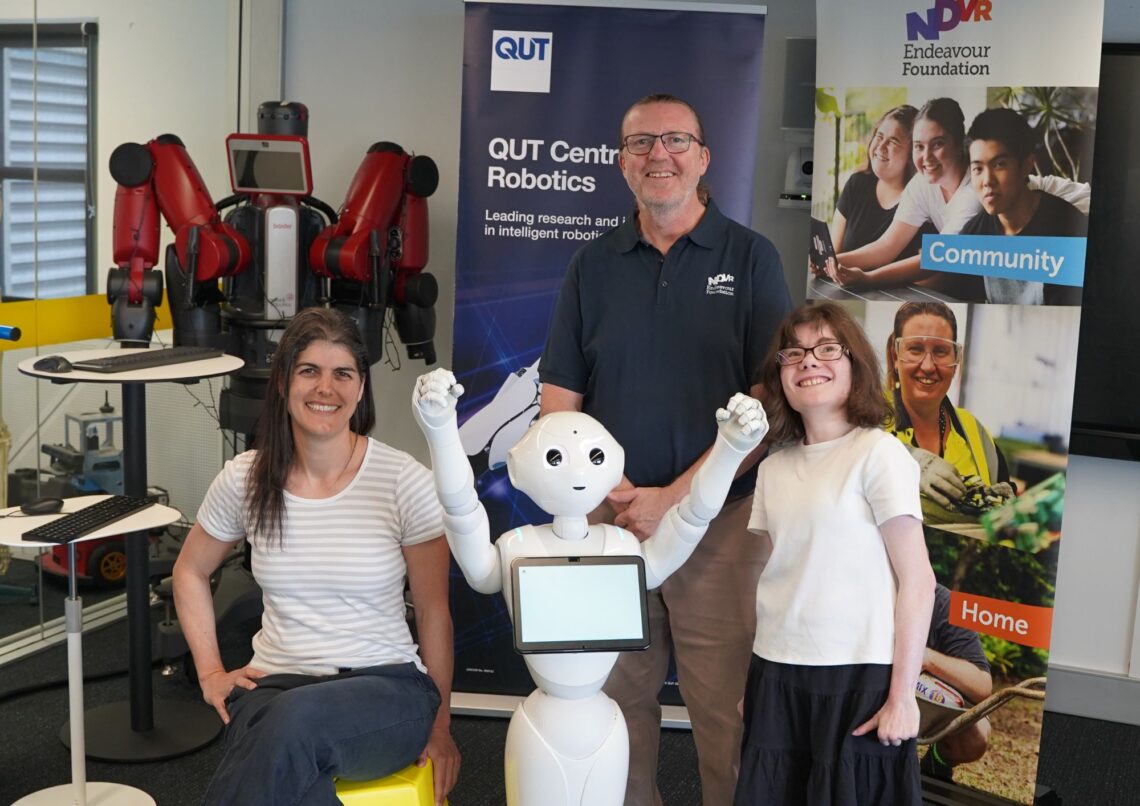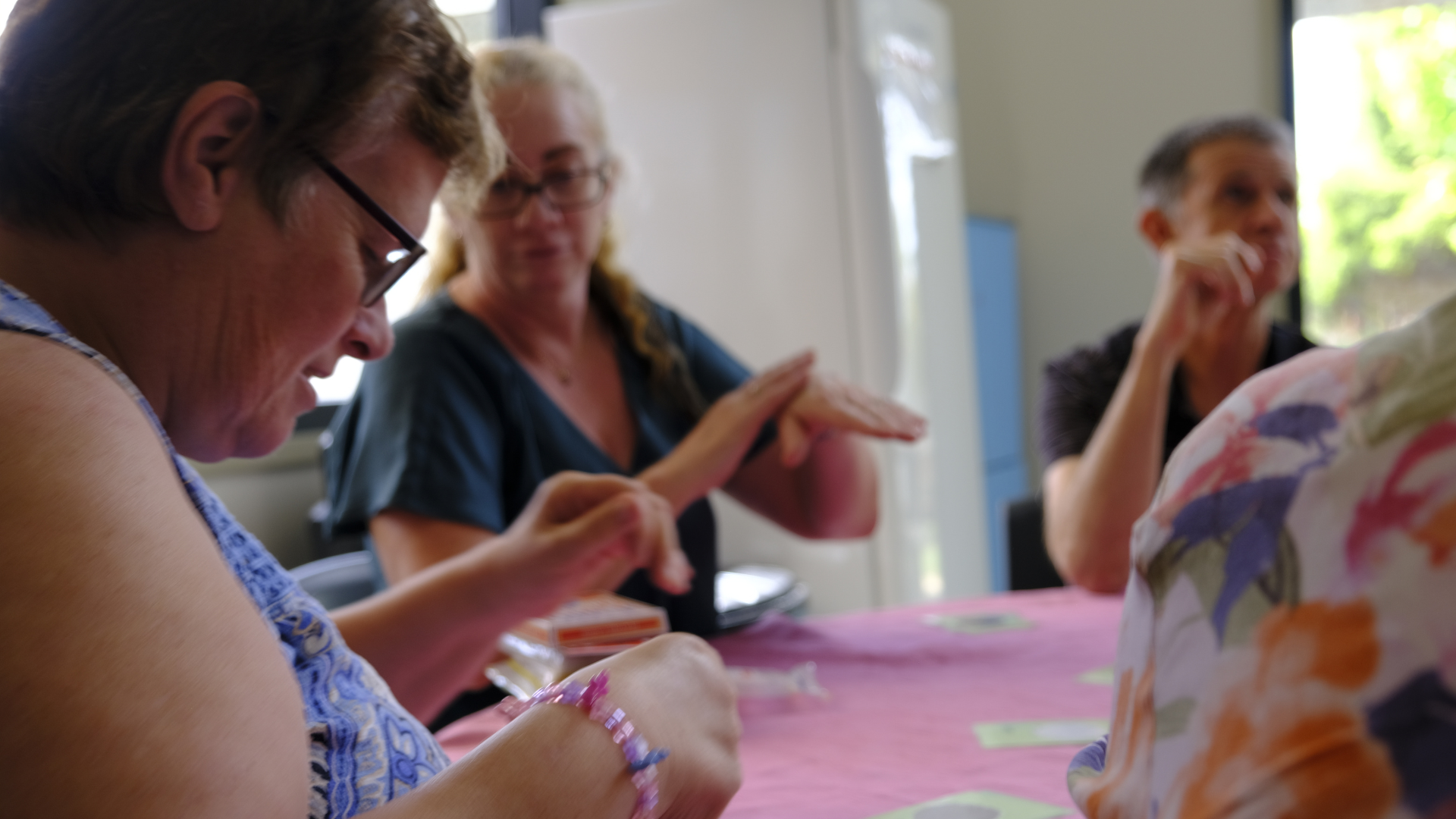
Inclusion comes in many forms, and the team at Toowoomba L&L are demonstrating this in action with their Auslan program for the people we support. Since its inception, this program has helped build communication skills and unlocked the potential of those involved, nurturing greater inclusion and empowerment at the hub.
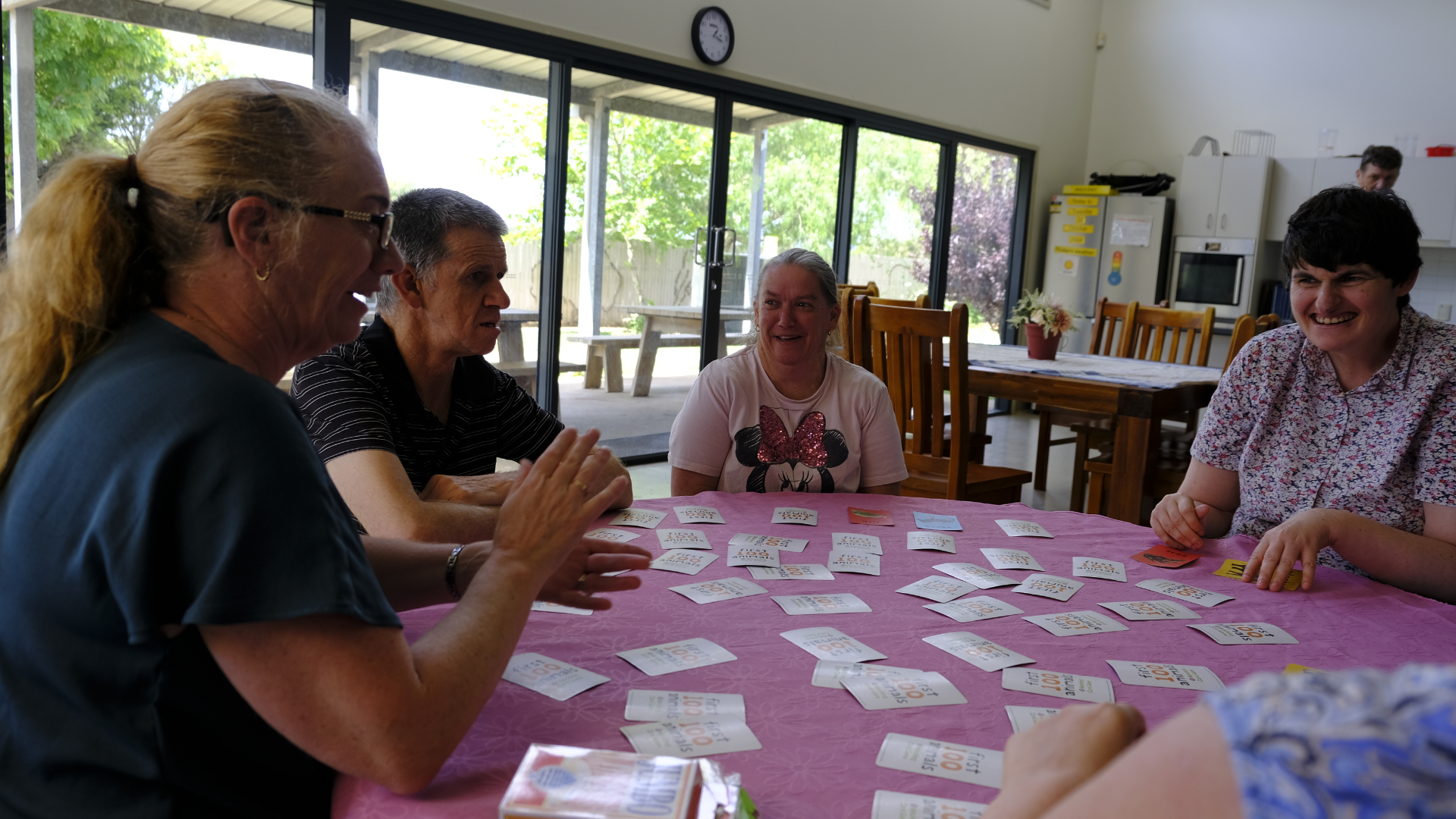
Toowoomba L&L Team Leader, Katie Hortin, discovered the power of Auslan when she saw a local woman offering Auslan training in her community. Inspired, Katie and her daughter completed a six-week course, which led them to pursue further levels of training. Recognising the importance of this skill, Katie proposed launching an Auslan program for people we support at the hub. Katie said,
I think everyone should learn at least the Auslan alphabet and basic Auslan signs so they can communicate with people who are Deaf or non-verbal. Learning someone’s language, even if it’s just the basics means so much to those who rely on it to connect with others.
With the idea in motion, Katie reached out to Jo, a qualified Auslan teacher with her own lived experience. Born Deaf, Jo was taught to speak by her mother, who would place Jo’s fingers on her vocal cords when she was a child. This meant that Jo learnt to speak before she could sign.
This unique background enriches Jo’s teaching, alongside her creative methods – like games and tailored lessons for people with intellectual disabilities – ensuring that learning Auslan is engaging and accessible for everyone.
Breaking barriers
The impact of these classes has been profound. Each week, eight clients, alongside two support workers, gather to learn and grow together. Katie emphasises how these classes break communication barriers, stating,
There’s a lot of giggles and smiles. It helps people have fun while learning.
In her lessons, Katie introduces simple topics such as colours and animals and incorporates interactive games. This approach captures her students’ attention, many of whom have low attention spans, and makes learning engaging as she moves around the room to support people who need further support.
The results have been heartwarming. Jenna, for example, now confidently uses Auslan in her daily life. Jenna lives in a Supported Independent Living (SIL) home and began attending Toowoomba L&L four years ago. She communicates her needs to support workers by using Makaton and writing things down, although she was always very quiet and reserved. Since starting Auslan, Jenna has become more confident and social, often seen conversing in Auslan with Implementation Lead, Kaleb Hendren, who learnt Auslan to communicate with his Deaf partner.
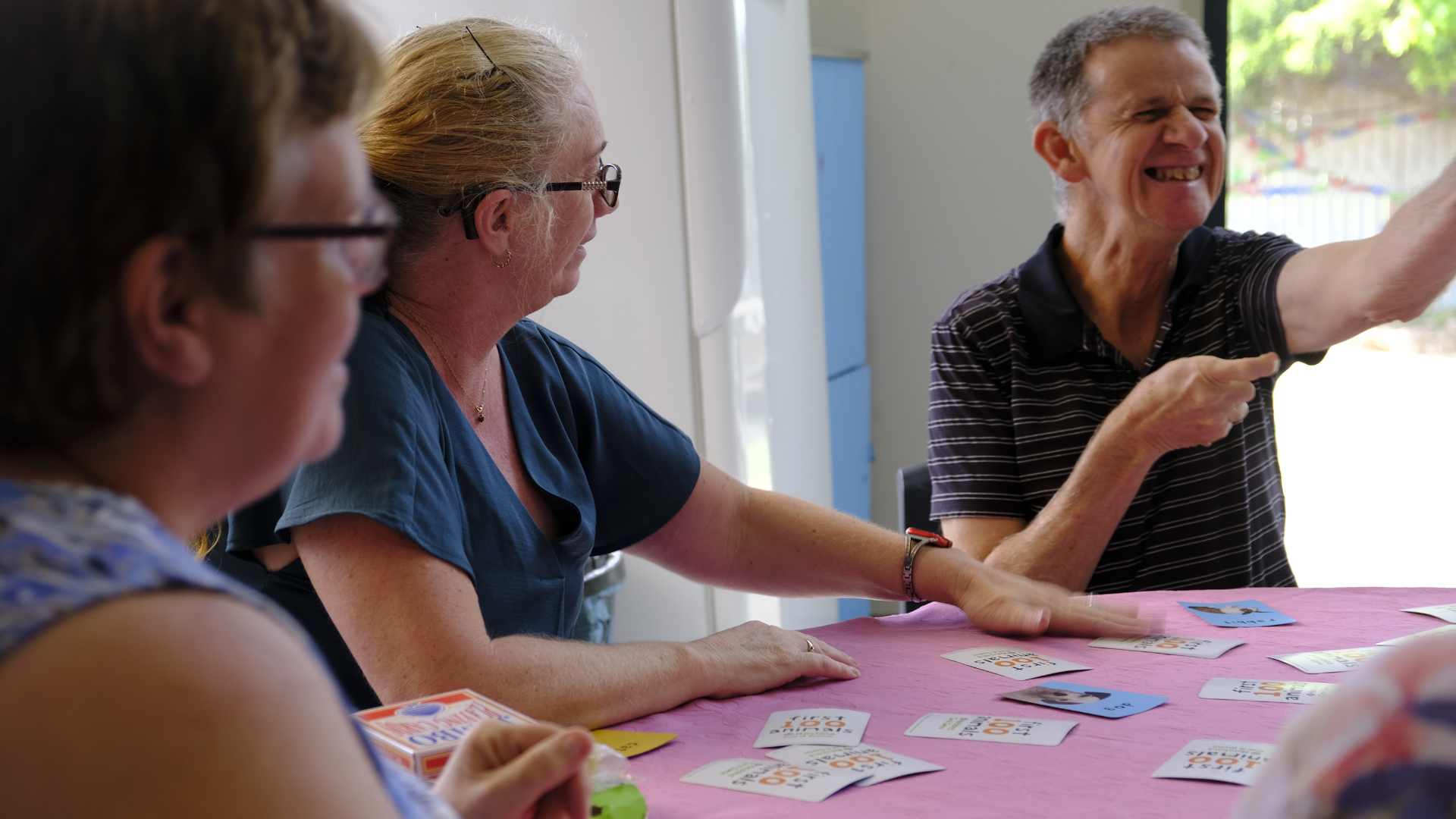
Michelle’s journey is another testament to the program’s impact. One day during an Auslan session, Jo noticed that Michelle was repeatedly peering into the room where the class was being held. Noticing Michelle’s curiosity, Jo invited her to join the class. Michelle’s support workers were so impressed by how quickly she picked up the signs. They then spoke reached out to Michelle’s family to organise updating Michelle’s programs to include Auslan.
Katie’s words of wisdom
Katie’s vision for the Auslan program extends beyond the hub. She encourages other L&Ls to explore similar initiatives and connect with the Deaf community’
Reach out to the community and see what services are available. It’s a great way to support people who prefer visual styles of communication.
With an aging population and rising rates of hearing loss – with one in six Australians currently having some form of hearing impairment – Katie emphasises the importance of nurturing inclusive communities and taking action to remove barriers to communication.
If we don’t know how to best support our clients, what are we doing?” she asks. “If you see a problem or area for improvement, address it. Don’t just think it will fix itself, you have to start working on it. The people we support deserve to be heard and feel understood.
We could all take inspiration from Toowoomba L&L’s Auslan program. By advocating for sign language rights and creating inclusive environments, we can ensure that everyone can be heard, understood and celebrated in our communities. Together, we can break down barriers and build a more inclusive future for everyone.
⭐ Last year, our very own Chloe Haidenhofer, hosted a “Auslan with Chloe” series, you can read more about it here.
News
View all
Director Election Expression of Interest

Are you in email overload?
Grant funding brings new life to Alex Hills L&L

BRACE proposed changes

Fire Services – Chubb Fire & Security is our new provider