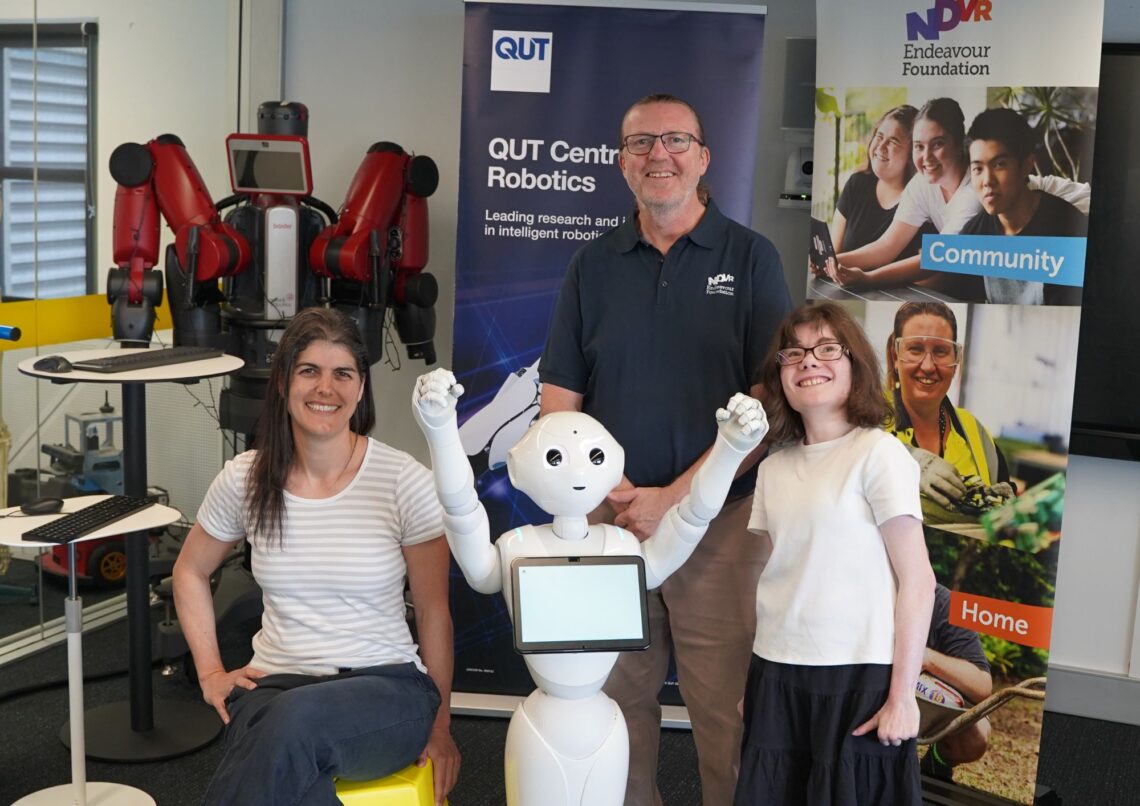
You may recognise Administration Assistant Chloe Haidenhofer from our ‘Learn Auslan with Chloe’ initiative. Now she wants to share her story and spread awareness about KBG Syndrome.
KBG syndrome is a rare genetic disorder that affects many body systems and is caused by mutations or loss of material in the gene ANKRD11. It’s often characterised by skeletal abnormalities, distinct facial features and intellectual delays.
Chloe is one of about 600 people worldwide who has been diagnosed with KBG syndrome. But that hasn’t stopped her from setting goals and making these possibilities a reality with the support of her family and Endeavour Foundation.
Growing Up
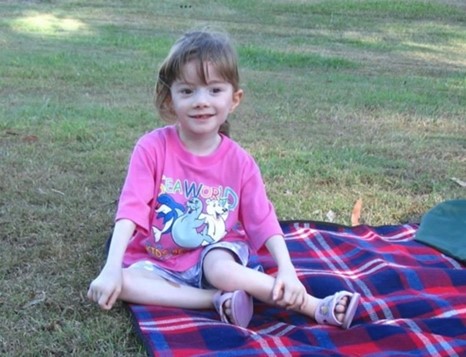
Born in 2000, Chloe was quadruplet number four. Unlike her siblings who all weighed over 900 grams, she only weighed 773 grams and spent three months in hospital on a ventilator.
She had delayed development and was nicknamed “steamroller” because she used to roll everywhere before she began walking at 32 months.
Chloe attended mainstream schools and was part of the Special Education Units in primary and high school. During this time, she was diagnosed with several medical conditions including enlarged vestibular aquaducts (EVA) which resulted in hearing loss.
She also had a Nissen fundoplication done when she was four – an operation to prevent acid reflux – and her surgeon stated that she had the worst case of Barrett’s Oesophagus he had seen in a child.
Throughout her life, Chloe has had over fifty admissions to hospital for cyclic vomiting syndrome (CVS) and abdominal migraines. Eating and drinking also made her episodes worse and she was required to wear a PICC line for nutrition during two longer past episodes.
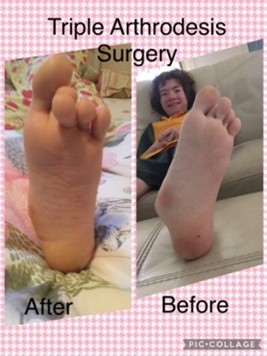
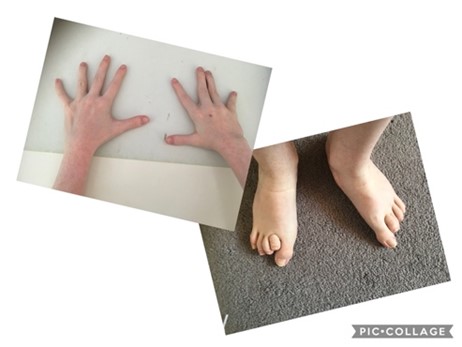
KBG Syndrome
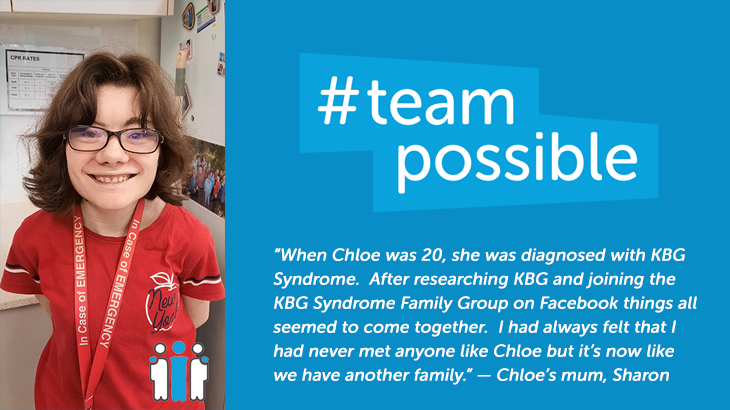
When Chloe was 19, her mum Sharon conducted her own research on the internet, leading her to find further clarity and the support of a tight-knit community.
I came across CHARGE Syndrome (a genetic syndrome) and was convinced that Chloe had it, so I went to her GP along with my research.
She referred Chloe for genetic testing and December 2020. When Chloe was 20, she was diagnosed with KBG Syndrome.
After researching KBG and joining the KBG Syndrome Family Group on Facebook things all seemed to come together. I had always felt that I had never met anyone like Chloe but it’s now like we have another family.
Thriving in Community and Work
“My mum and dad wondered what they could get me to do in life that I would be happy doing so we looked at things that I liked to do,” Chloe said.
“When I discovered Alex Hills L&L I thought that this is something that I’d like to do. Then later, I talked to Lisa Van Sitter (Support Worker) about jobs and that’s how I started working at Support Centre with the Finance Team.
“My siblings and parents are very grateful that I have been going to the L&L and work because they want to see me grow and do what I want to do in life.”
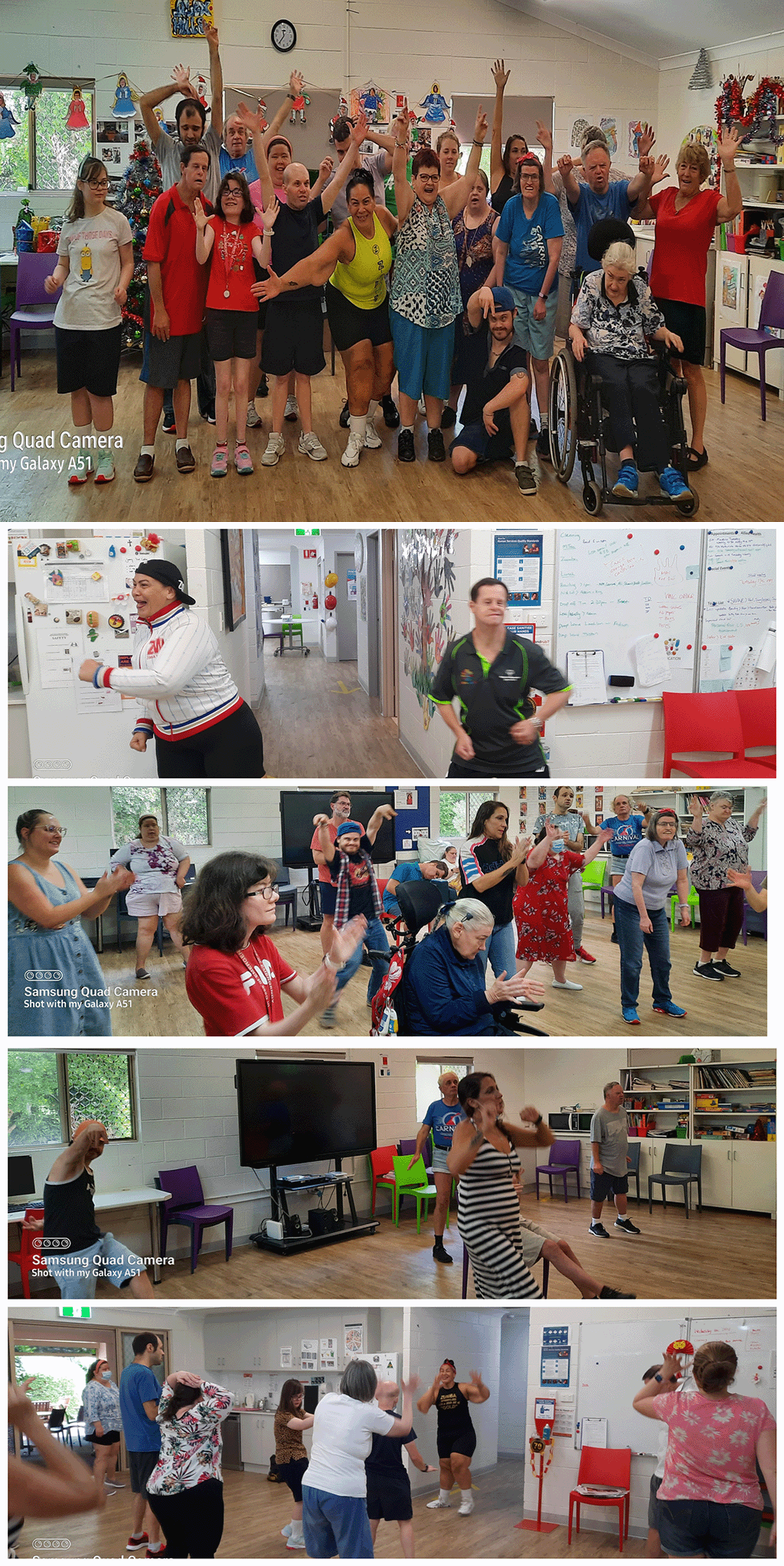
Chloe’s desire to help others despite her own health challenges doesn’t go unnoticed by staff who are continually inspired by her hardworking nature and perseverance. Support Worker, Susan Deegan said:
She is a fantastic person and assists all her peers work on their skills and independence. She’s also a great helper and looks out for others. She knows when she needs to sit down and have a rest. But afterwards she gets right back to her tasks. She is very switched on with what she does.
When asked about her tips on having a positive mindset, Chloe said: “Just be yourself. If you ever need help, I’m always around. Every month I send my team happy pictures to make them smile. Do something that makes you smile.”
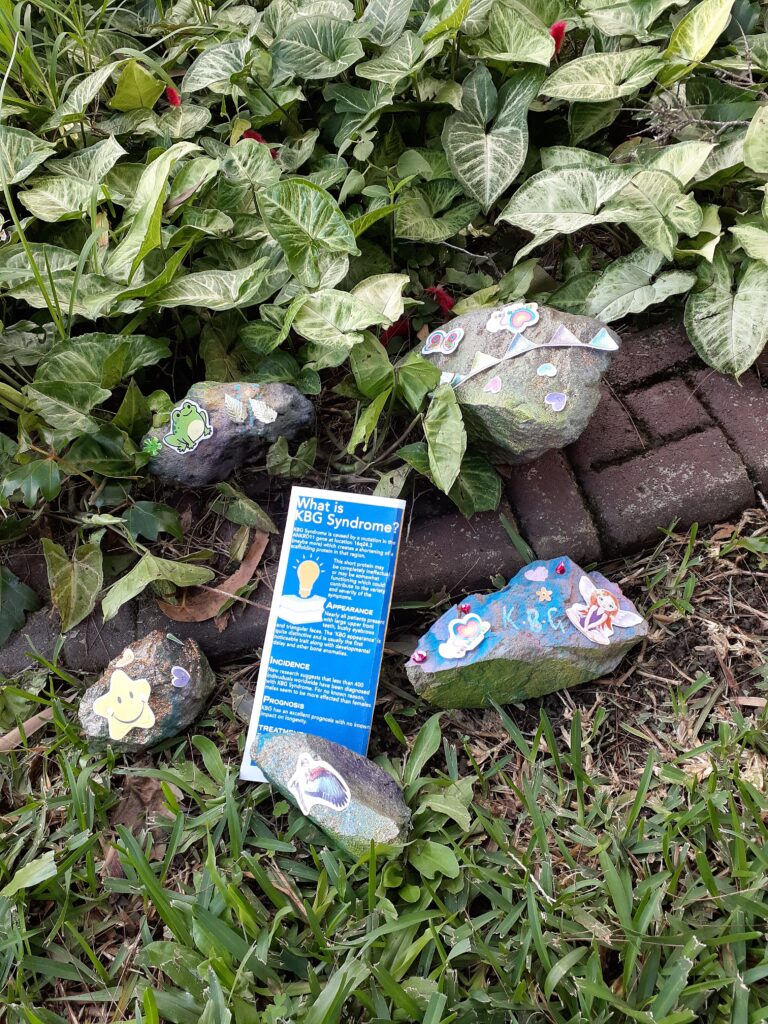
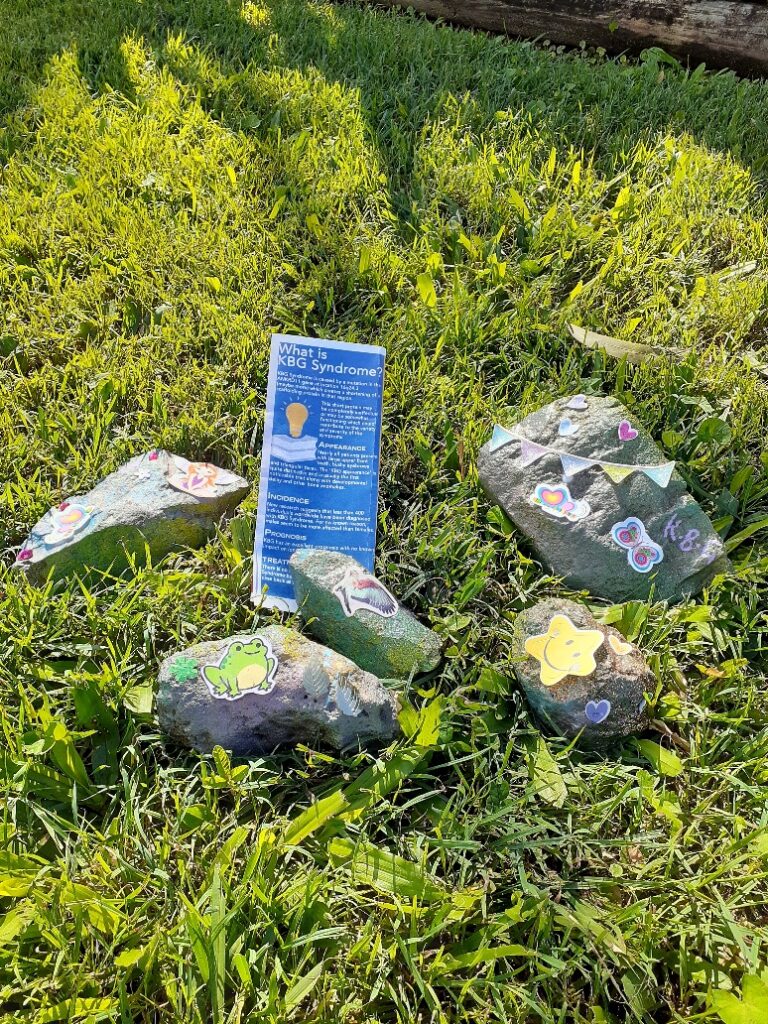
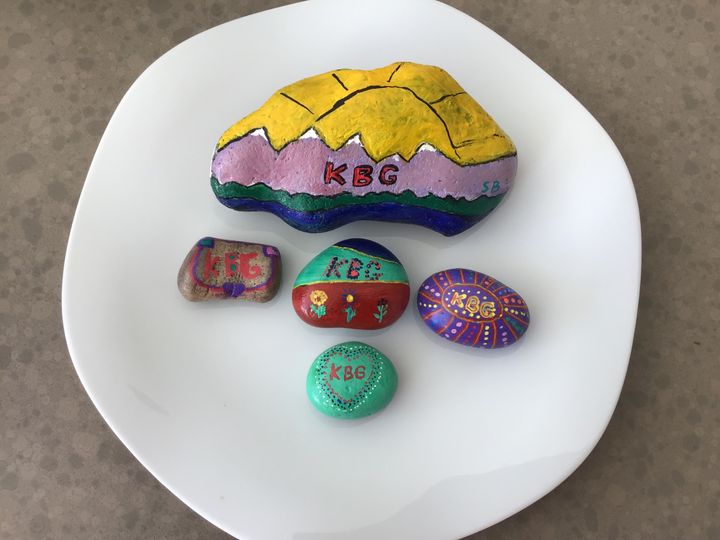
KBG rocks
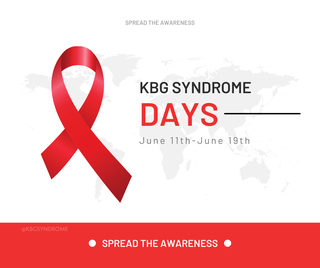
KBG Awareness Week runs from 11 June – 19 June and is an opportunity to educate people about this rare genetic disorder. KBG Syndrome Association states:
‘KBG Syndrome is likely underdiagnosed due to mild features. Features are typically present at birth but may be difficult to recognise until developmental delays are apparent. Also, it’s likely that this syndrome is less frequently diagnosed since features are not severe and fairly common among other disorders.’
To raise awareness, the crew at Alex Hills L&L have participated in their ‘KBG rocks’ project, decorating rocks to leave around the community along with a flyer providing more information about KBG syndrome.
So far, they’ve placed rocks in the local area at a primary school, My Horizons (disability support provider), on-site, at a park as well as at Kingston L&L hub and Support Centre.
Keep an eye out if you’re at any of these locations or make your own and spread awareness in your neck of the woods!
To learn more about KBG Syndrome, visit the KBG Syndrome Association’s website.
News
View all
Director Election Expression of Interest

Are you in email overload?
Grant funding brings new life to Alex Hills L&L

BRACE proposed changes

Fire Services – Chubb Fire & Security is our new provider