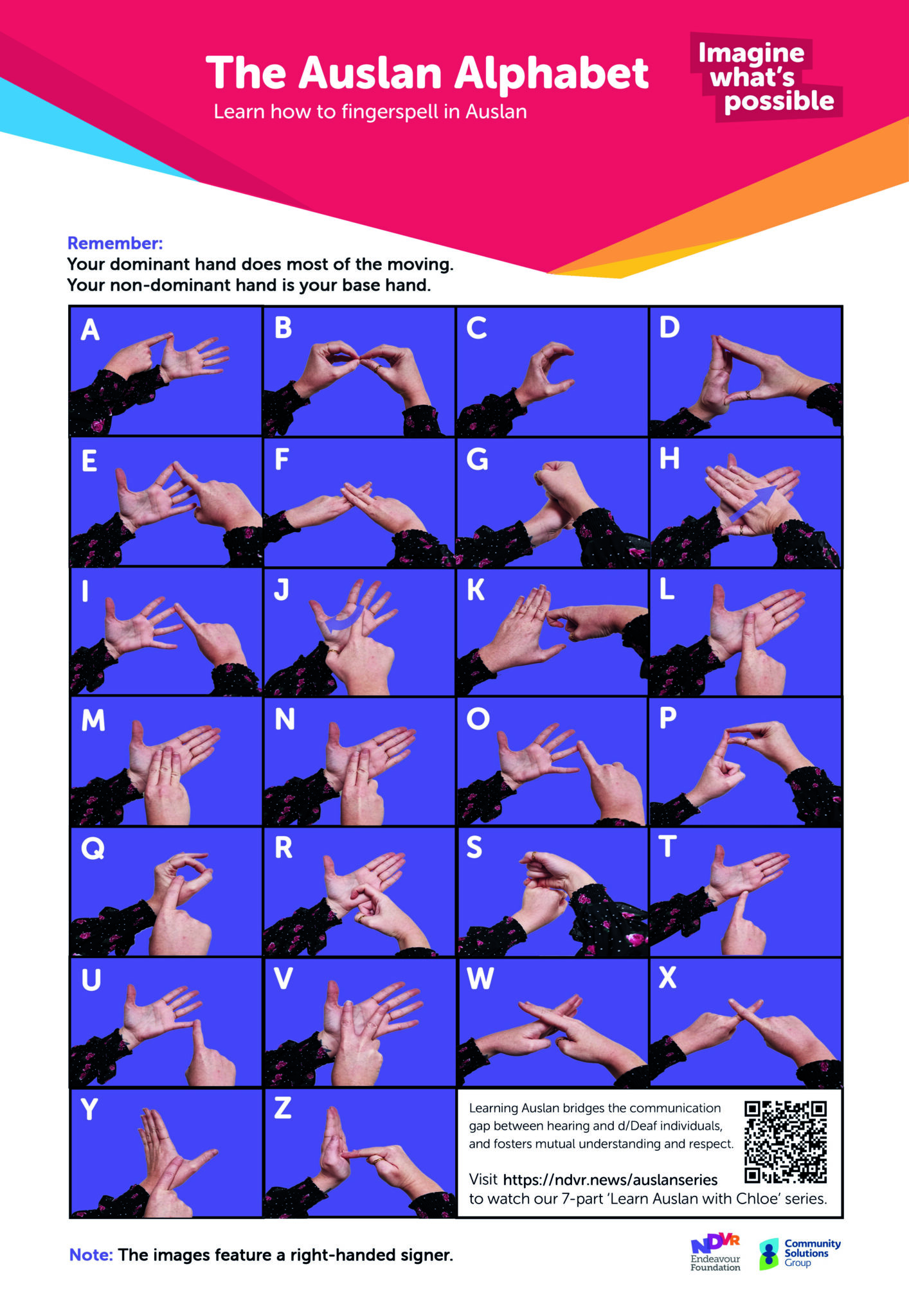
Auslan Alphabet Poster
Learn the Auslan alphabet.
We all have a role to play in ensuring people with disability have the opportunity to participate in all aspects of work and community life. We want a more equitable society, empowering #TeamPossible to be part of creating an inclusive and diverse community and help to promote awareness, understanding and acceptance of the 4.4 million people with disability in Australia.
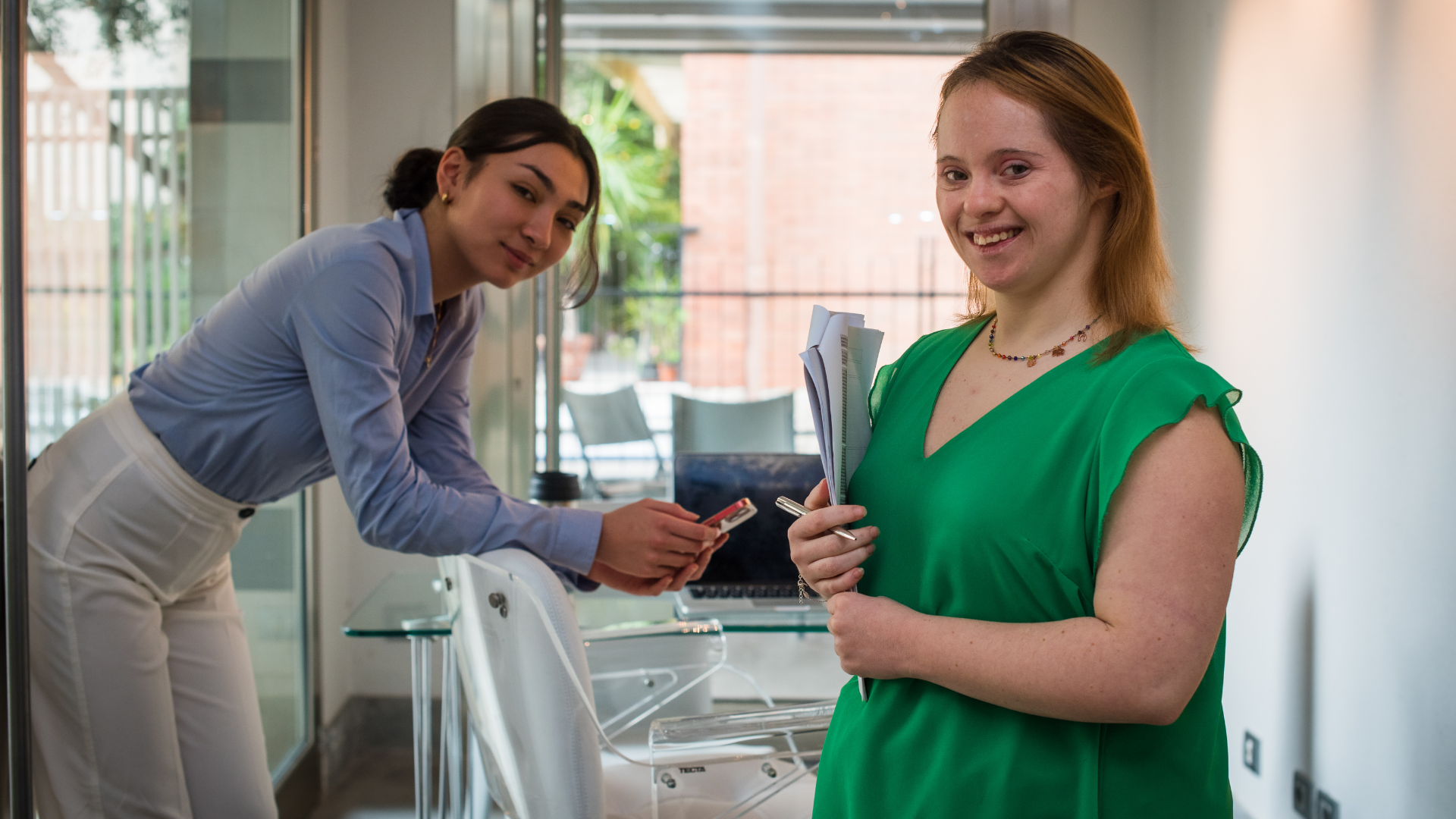
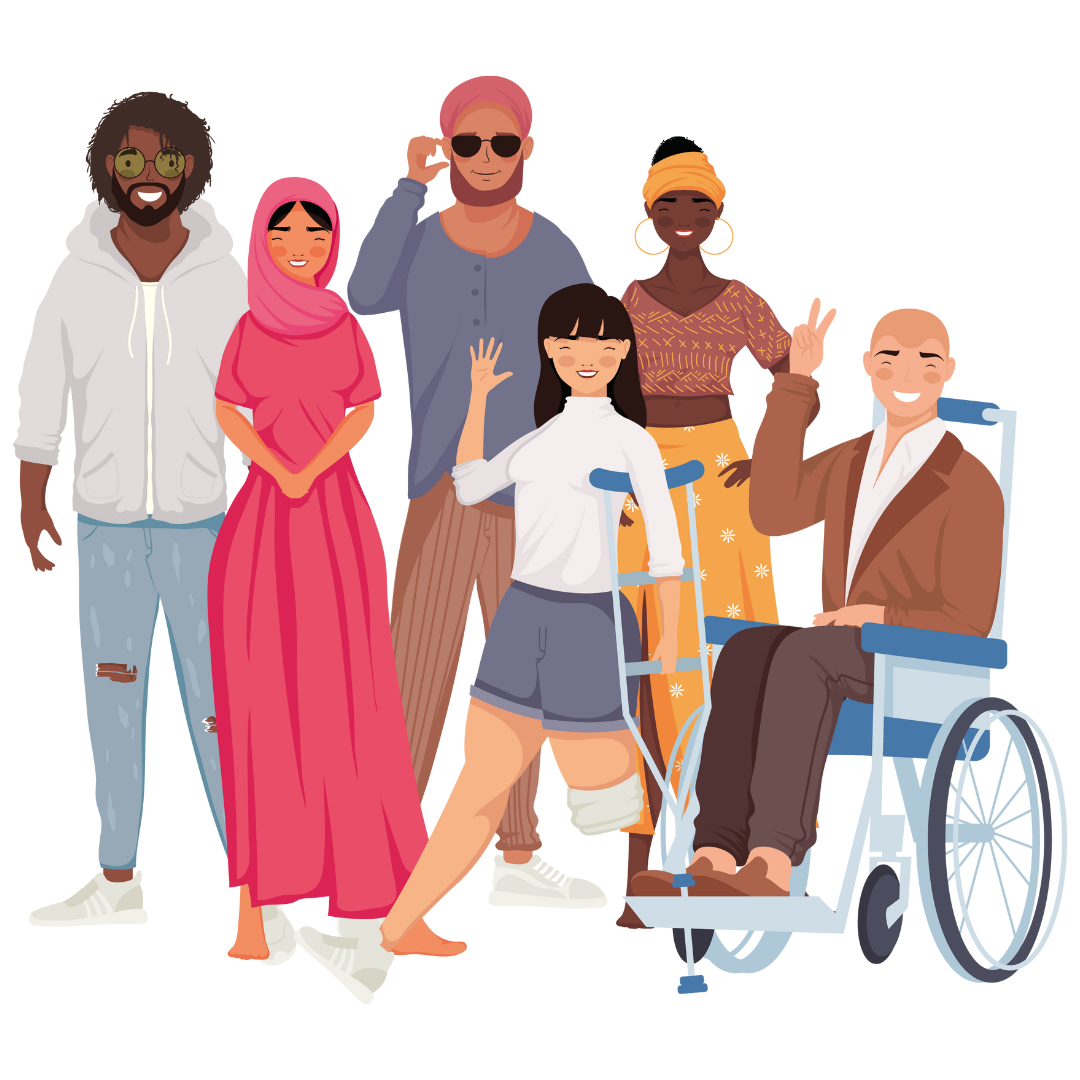
As a disability support organisation, it is our responsibility to uphold the rights of people with disability in all areas of their life. It is important that we avoid making assumptions about the needs, opinions, or identities of people with disability and instead approach everyone with respect and understanding.

The social model of disability acknowledges the interaction between people living with disability and their environment. It is the international recognised view on Disability set by the United Nations Convention on the Rights of Persons with Disability (CRPD) in 2006 shifting attitudes away from the medical model.
The medical model focused on disability as a condition to be fixed or cured, with the focus on what cannot be done. The social model does not deny impairment or the impact to the individual, but challenges the physical, attitudinal, communication and social environment to accommodate impairment as an expected incident of human diversity. The social model asks organisations, governments and individuals to seek what must be changed to remove barriers and enable people living with impairments to participate in society on an equal basis with others

For example, it is not the inability to walk that keeps a person from entering a building by themselves, but the stairs that are inaccessible to them.
Impairment is a medical condition that leads to disability.
Disability is the result of the interaction between people living with impairments and barriers in the physical, attitudinal, communication and social environment.

The principles of choice, autonomy, and self-determination are also fundamental human rights. The general principles of the CRPD enshrine respect for inherent dignity and individual autonomy, including the freedom to make one’s own choices.

Actively participating in the community fosters a sense of belonging, grows more opportunities for social connection, can generate social support and helps to develop more positive community attitudes towards people with disability, reducing stigma and discrimination. One of the key principles of the Disability Royal Commission was that “people with disability should not be isolated from their peers or the broader community and should have the opportunity to engage regularly with their peers and participate in community life”

This extends to the working environment and includes choice and control to participate in employee resource groups, social events and be recognised and rewarded in the workplace through performance programs.

We are dedicated to ensuring that employees with disability we support are included, empowered, and able to exercise choice and control over their lives. This commitment involves providing access to information and resources and creating opportunities for individuals to make informed decisions.

While 1 in 5 Australians live with disability it is estimated that over 80% of disability is non-visible, which means that you cannot tell that someone has disability by looking at them, in fact the odds are more people may have disability than you think. Disability is unique, just as people are unique and the needs of people with disability vary person to person so we cannot assume what someone may need or want based on their medical status or visual presentation. The best way to provide inclusion is to be open and flexible and build trust with your teams and peers so that those around you feel safe to ask for support when needed.

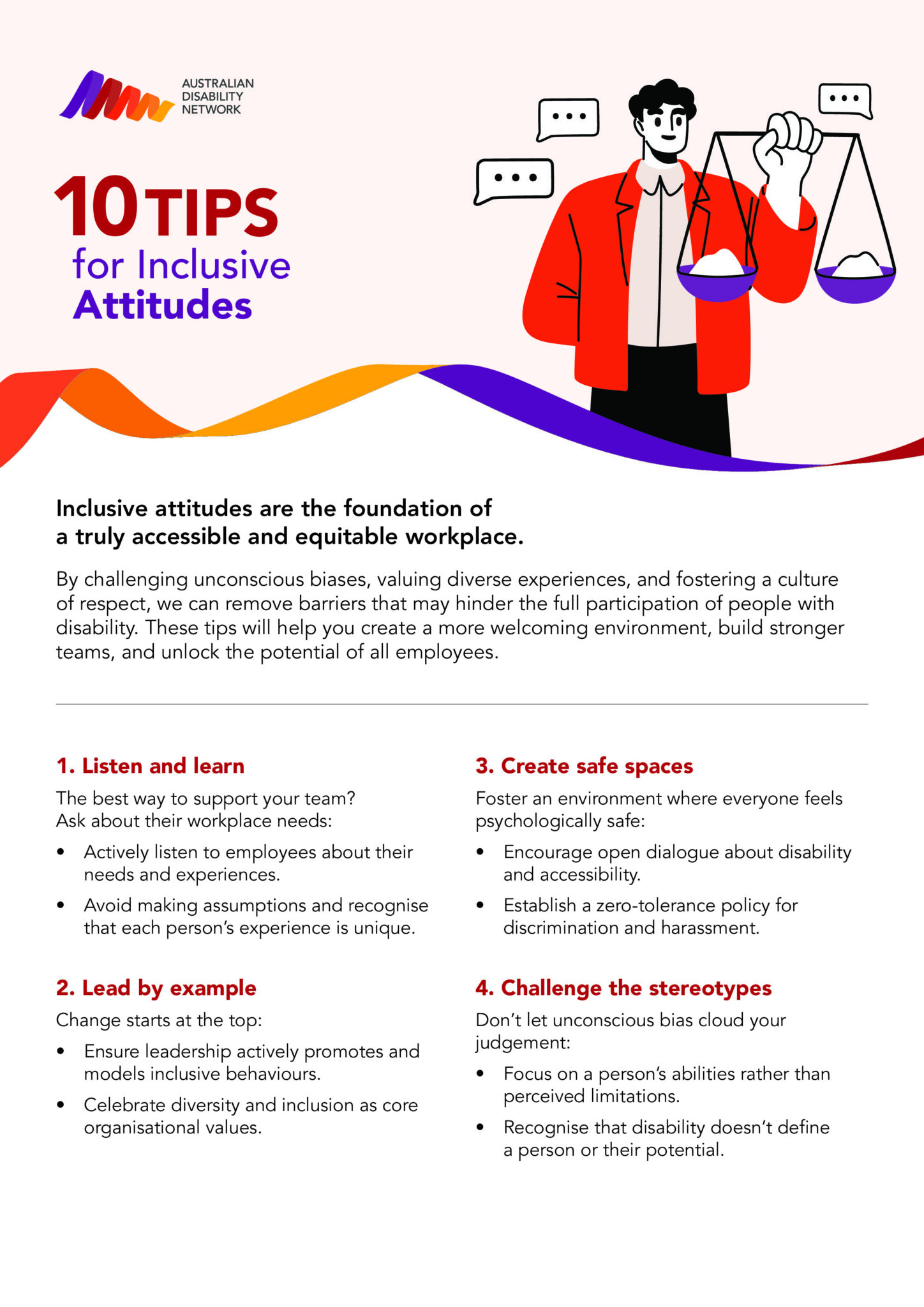
Workplace adjustments are administrative, environmental or procedural changes that enable employees to perform at their best. Our inclusive culture is built on our behaviours, and leaders are key to empowering #TeamPossible and creating equitable workspaces. The following top tips will get you started on implementing workplace adjustments:
JobAccess is the national hub for workplace and employment information for people with disability, employers and service providers. Created by the Australian Government, it brings together the information and resources that can ‘drive disability employment’. The Making Workplace Adjustments Easy, Effective and Equitable – Conversation Guide is an informative guide for leaders to learn more about workplace adjustments and prepare for conversations with team members.
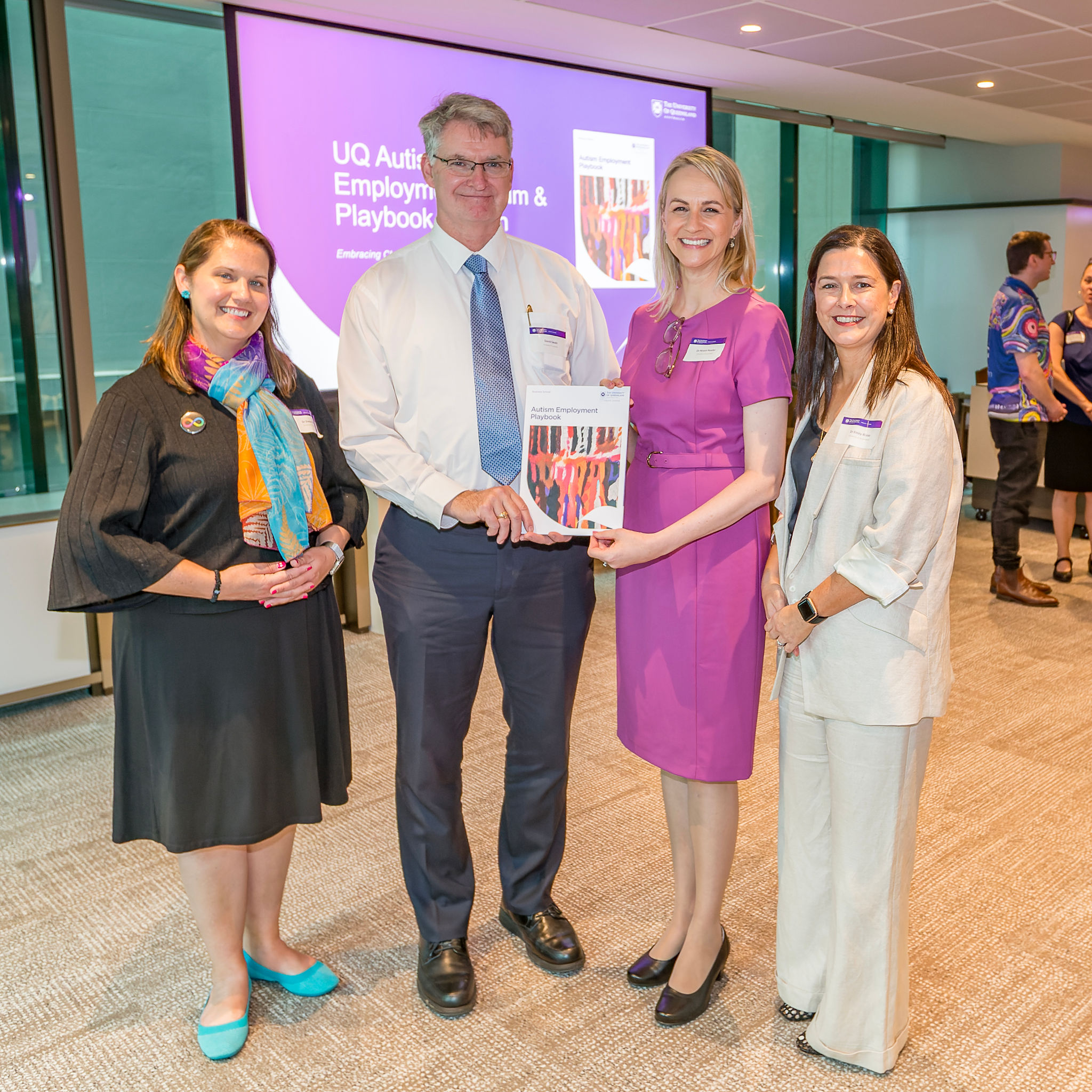
2023 Endeavour Foundation Disability Research fund recipients, Dr Miriam Moeller and the research team at University of Queensland (UQ), have paved the way for neuroinclusion in the workplace through the development of the UQ Autistic Employment Playbook. Their research aims to reduce the under-employment of autistic people by identifying the barriers and enablers to successful employment.
The Australian Neurodiversity Toolkit has been developed by the Australian Disability Network for resources and information about neurodiversity in the workplace. It is an in-depth guide to welcoming and supporting neurodivergent employees and customers. Contact the Culture and Inclusion team if you would like to access these resources.
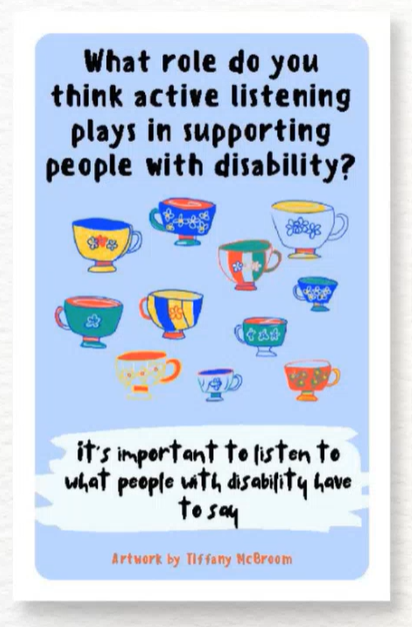
QArt Gallery and Studio by Endeavour Foundation is a social enterprise which provides employment, mentoring and training for professional artists with intellectual and physical disabilities. The Diff-Ability Conversation Cards have been co-designed by the artists and gallery supervisors at QArt.
Each card contains question relating to disability. The cards also feature an artwork created by one of QArt artists. This card game is an engaging tool to initiate discussions about the stigmas faced by people with disability. Using these cards with your team can help shift perceptions and encourage reflective conversations.
Check out the Panel discussion with our QArt artists and Gallery supervisor held on International Day of People with Disability 2024 to learn more about the development of the cards, how to use them and where to purchase.
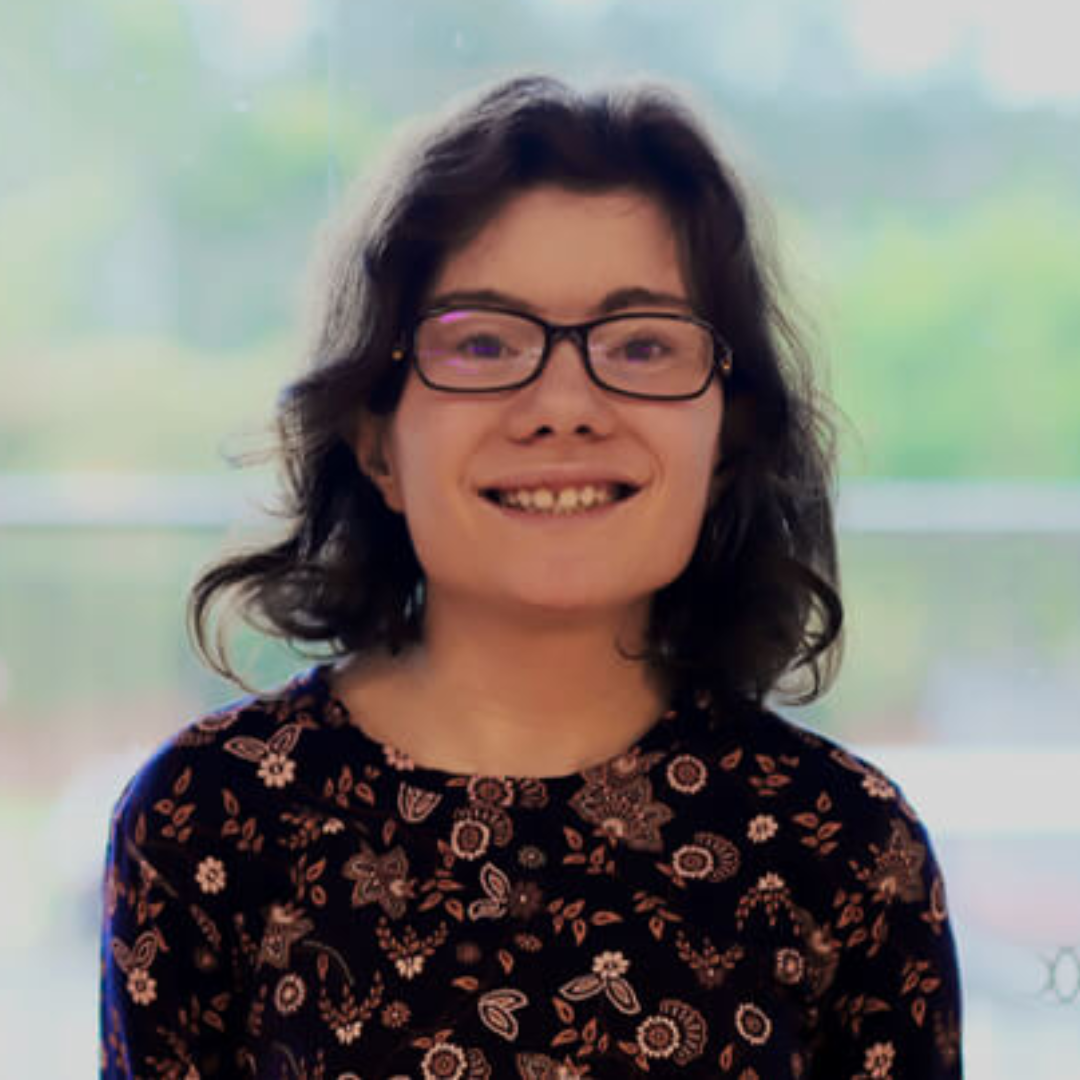
Meet Chloe, who works as an administration assistant at Endeavour Foundation Support Centre and attends the Alex Hills L&L. She is gradually losing her hearing and has been learning Auslan with her family.
Chloe is thrilled to teach us some common words and phrases. In learning these signs, you will be able to communicate with anyone who is hearing impaired!
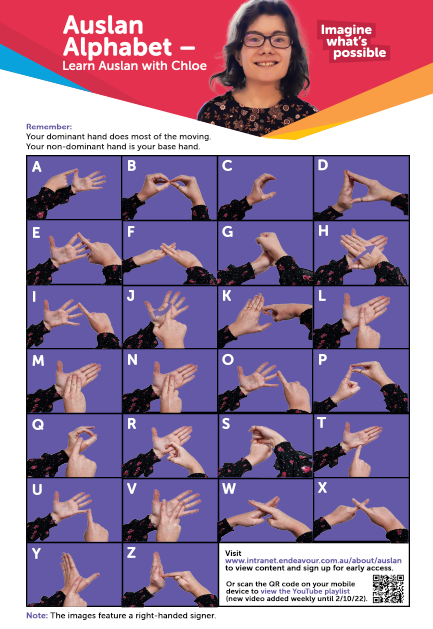
Auslan (Australian sign language) is a language developed by, and for, Australians who are deaf or hearing impaired.
It helps to communicate with those who are deaf or to those who have trouble hearing and communicating things to people, like how they are feeling.” Chloe said. “It can also promote better awareness about deaf people and the hard of hearing to the hearing community.
Chloe, Endeavour Foundation Administration Assistant
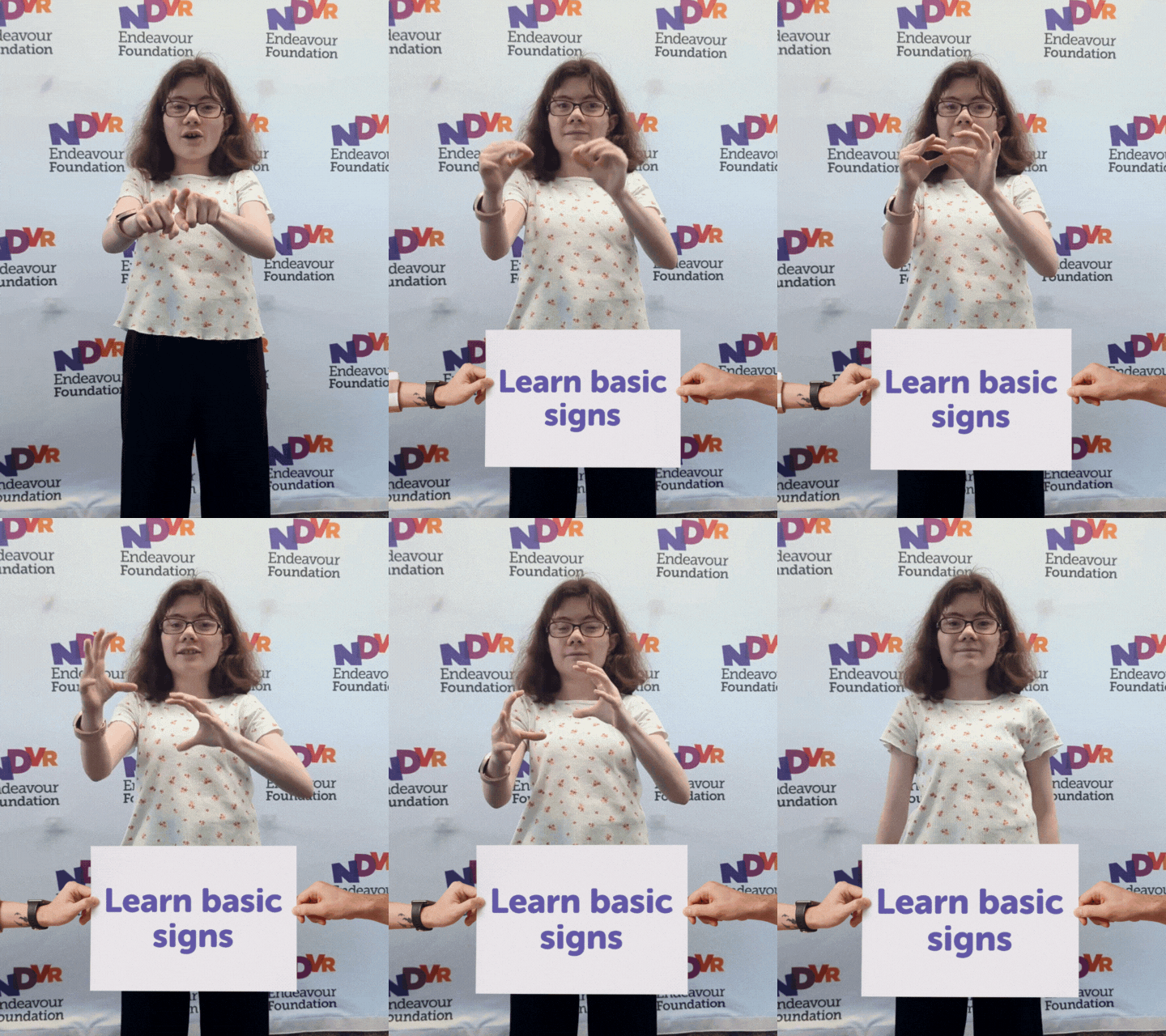
Learn Auslan with Chloe is a series of videos designed and signed by Chloe over two (2) series.
You can learn to sign with Chloe by following along. To learn Auslan, you can click here.
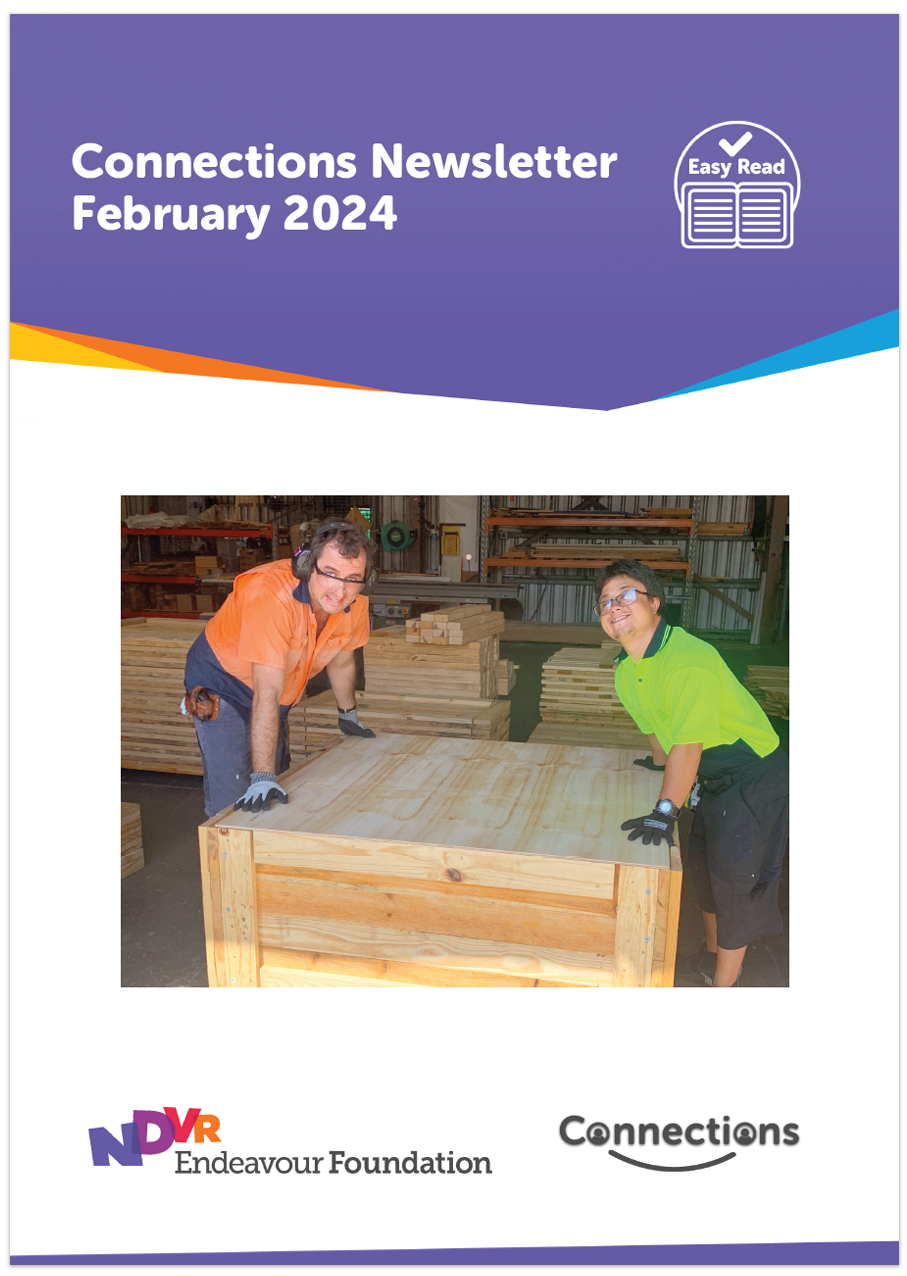
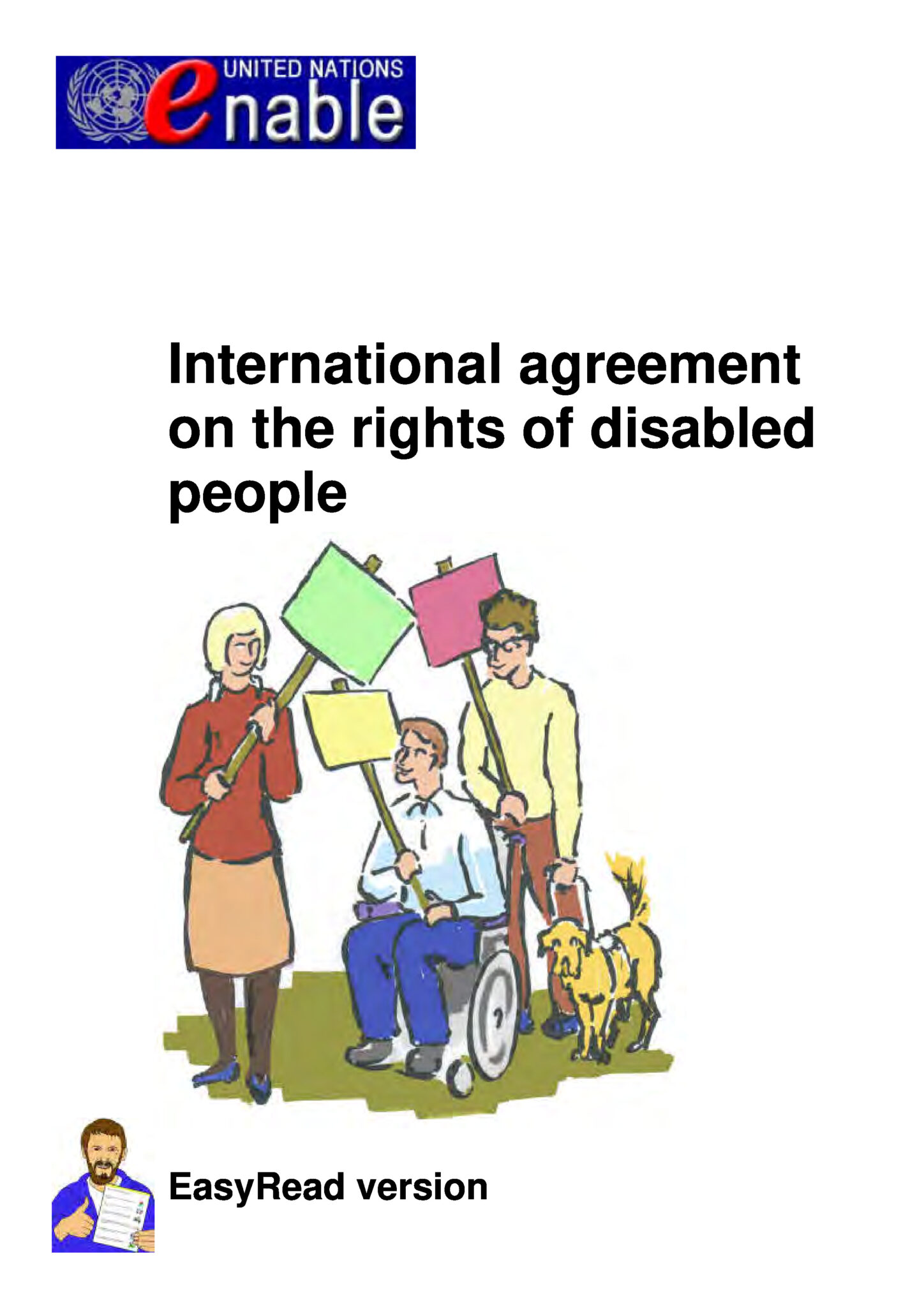
In this course, you will gain a comprehensive understanding of the concepts of Easy Read and the three critical stages involved in developing Easy Read resources.

Converge International understands that people face many challenges in their lives and that sometimes, these require specialised support. Converge offers a range of specialist phone helplines during business hours, in addition to its Employee Assistance Program services. Visit the Converge page for more information.
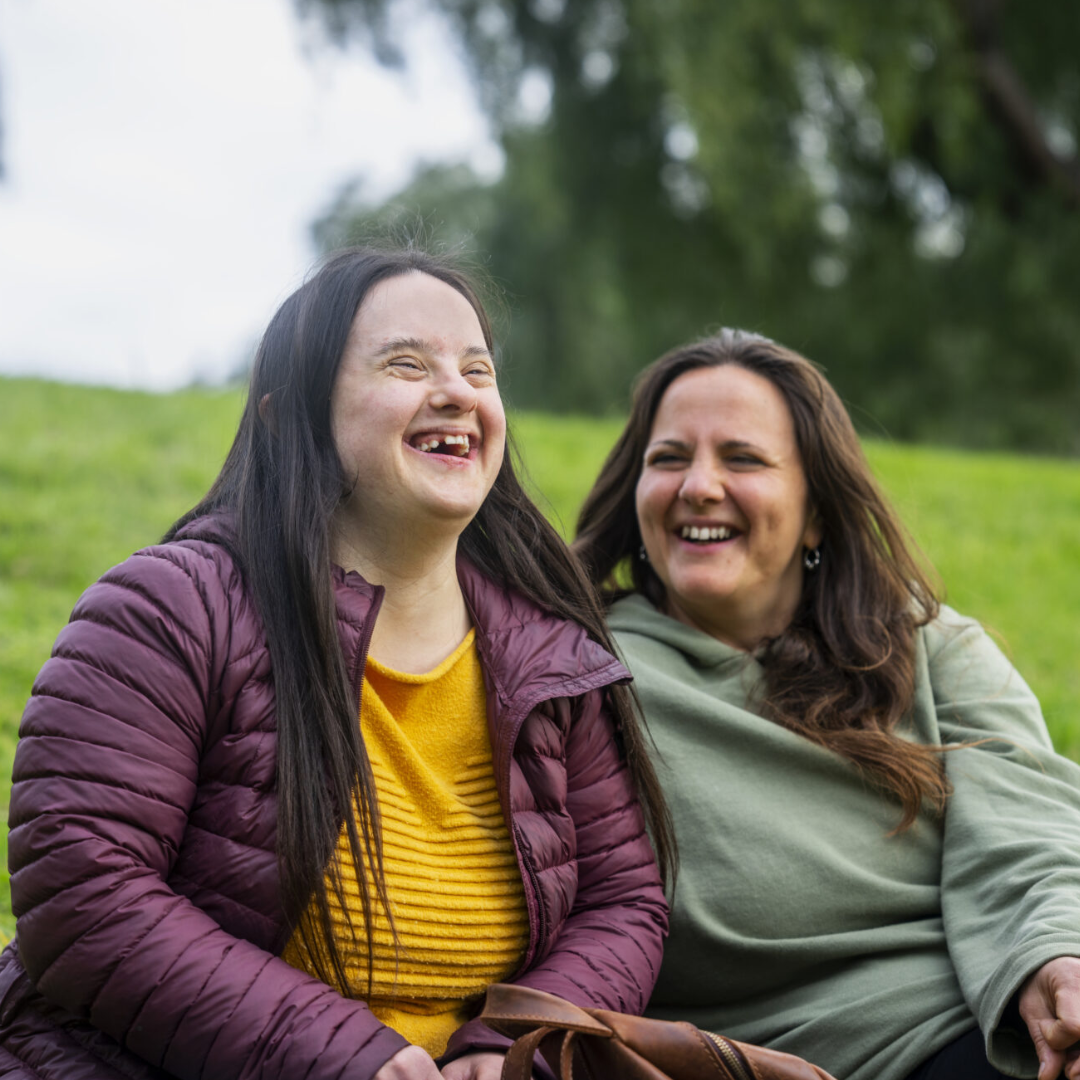
Talk with a counsellor to access specialised advice on disability support and referral to state and local resources and services, as well as emotional support around caring for family members or friends who live with disability: 1300 243 543
We are a member of Australian Disability Network (ADN), a peak body for private, public and for-purpose organisations actively committed to inclusion of people with disability. Through our membership we have access to resources, networking and benchmarking with over 450 of Australia’s leading businesses and institutions.
To learn more about AND or request access through our membership Log a ticket in the #TeamPossible Support Hub