













Certificate III in Individual Support (Disability) and Certificate III in Community Services

It is important to us to invest in our people, and one of the ways that we do this is to offer industry courses that can help you to take the next steps in your career. We currently have two course offerings - Certificate III in Individual Support (Disability) and Certificate III in Community Services.

Last updated: January 23, 2025
Certificate III in Individual Support (Disability)

Certificate III in Individual Support (Disability)

This course will give you the skills you need to provide individualised support and care to people in home, community, or health care settings.

Certificate III in Community Services

This course is for people wanting to work in community services or looking for the skills necessary to complete further studies in the field.

Gain Qualifications at Work!

To help you advance your career, we’re offering you the opportunity to gain a Certificate III in Individual Support (Disability) or the Certificate III in Community Services.

These qualifications are available to all frontline employees and their leaders.

These qualifications are nationally recognised and focus on developing the skills needed to support and empower people living with disability.

Recognition of Prior Learning (RPL)

Depending on the qualification being considered, people who have worked in the Disability or Community Sector for two or more years, will have the opportunity to be recognised with a professional qualification for the incredible work they do every day. 

Through a process called Recognised Prior Learning (RPL), TAFE will work with you to identify skills and experience which can be applied to gain credit toward specific units of study. This means, depending on your experience and prior qualifications, you may only need to do a small number of units to gain your Certificate III.   

Full Qualification

If you are just starting in the industry, this is a great opportunity to gain some professional credentials to set you up well for the future. 

In this option, you will complete:

  • Drop in support sessions offered to help with assessment.
  • Four to five units of study each term.
  • Two-hour virtual training each week (recorded for catch up purposes).

Free for Employees

TAFE Queensland is currently offering fee-free Tafe to Queensland residents, meaning for the majority of our people there will be no cost to complete their Cert III. In some cases where an employee has already used their fee-free TAFE, or if they’re ineligible, we will pay for the training.

Click here to read the full eligibility criteria.

Register Your Interest

Speak to your leader and register your interest for more information about study pathways and next steps to gain your Certificate III in Individual Support (Disability) or Certificate III in Community Services.

Questions and Answers (Q&As)

Which qualification is right for me?

This is a great question – only you (and your manager can decide)!

  • The Certificate III in Individual Support (Disability) involves an indepth practical component and may be more suitable for people who are currently working with people with a disability or are keen to move into this space. The majority of staff who undertake this qualification are Support Workers.

  • The Certificate III in Community Services is a new offering for our frontline employees and may be more suited to people who work within the Community Services Sector, however may not be working directly with people with a disability or who want a more general qualification.

Remember – you only have one opportunity to utilise your “fee-free” Tafe – i.e. you cannot use it for both certificates.

Why are we offering this?

We want to invest in your career development and empower you with the skills to deliver quality services to people we support. By recognising and supporting this development, we can provide an impactful, positive experience for everyone in our services.

Previous course graduates told us they valued gaining their Certificate III in Individual Support (Disability) because:

  • It demonstrates they were officially qualified.
  • It shows that we are an organisation that is committed to ongoing professional development.
  • The content was relevant to everyday work with people we support.
  • It acknowledged the skills used in disability support.
Who can participate?

We are offering all frontline employees the opportunity to complete this qualification. The next cohort intake is scheduled for February 2025. To get started:

  1. Register your interest – Certificate III in Individual Support (Disability) / Certificate III in Community Services
  2. We contact you if we need more information.
  3. TAFE contact you to discuss study options and completing student paperwork.
  4. You start your Certification!

You will need a computer, tablet or smart phone with an up-to-date internet browser. Chrome is the recommended browser.

How is the course delivered?

TAFE Queensland is our training partner. Our dedicated TAFE team members will work with you to identify the best way to complete your Certificate III in Individual Support (Disability) or Certificate III in Community Services. Options include:

  • recognition of prior learning (RPL)
  • training with a group of your Endeavour Foundation colleagues while learning on the job
How much time will it take me to complete?

This depends on the delivery option that is most suitable for you and your own study needs and preferences. As a guide:

Recognition of Prior Learning (RPL) Option

One school term: approx 6 – 10 hours total.

The RPL option involves:

  • Gathering documents containing evidence of your prior learning and skills
  • Having conversations with your TAFE Teacher about your work history.
  • Completing a logbook.

Group Training Option

Three to four school terms: approx 4 hours per week.

In this option, you complete:

  • Four to five units of study each term.
  • Two-hour virtual training each week (recorded for catch up purposes).
  • Drop in support sessions offered to help with assessment.
  • Vocational placement (for students not currently employed as a disability support worker).

Please advise your leader and the Learning team if you require to undertake a vocational placement, so we can discuss options for you to do so.

What happens if I fall behind or get stuck?

It is important you let your TAFE teacher know if you are having difficulties with your studies so they can assist you. Have a conversation with your leader, too, about your study needs and how they might be able to support you.

You may be able to access study leave to help you complete your qualification. (See below for further information.)

What support is provided for linguistically or neurodiverse students?

TAFE Queensland has dedicated student support services to help make your learning experience just that little bit easier. You can access help for:

  • study skills
  • assignments and assessments
  • time management and organisational skills.

Please ask your TAFE teacher to connect you with student support services.

What support will we provide?

We want to support your further education and career progression as best we can. Please discuss your study leave needs and support with your leader in the first instance.

You may be able to access paid study leave to complete your Certificate III in Individual Support (Disability) or your Certificate III in Community Services. Prior approval for this leave is required.

For questions about the Certificate III or study processes, please raise a ticket with Learning and Development in the #TeamPossible Support Hub

For Leaders

Team members must have the endorsement of their leader before enrolling in the Certificate III in Individual Support (Disability) or the Certificate III in Community Services with TAFE Queensland. Check out our Leader FAQs below for more information

Full Study Program

My team member wants to do a course. What do I do?
  • Chat to your team member to confirm their readiness to study.
  • Ensure they are available to study outside of work. The full study program is a 12-month program, and TAFE recommends four hours a week to complete activities.
  • Discuss what support you will provide, like establishing regular study check-ins and mentoring. If you are not clear on what this requires, reach out to the Learning team.
  • If you’re happy with the discussion, you can endorse your team member!
What is involved in the full study program?

Units of competency will be determined at the beginning of each program, however may consist of up to 15 units of competency.

Your team member will complete four or five units each school term over four terms (12 months). The main learning component is a weekly two-hour virtual lesson with a TAFE teacher. Lessons are recorded for participants who can’t make them due to work or other commitments. Participants can access these recordings anytime through TAFE Queensland’s online learning portal, Connect.

The weekly lessons highlight the learning assignments and assessments for the unit being taught. Individual study, written assignments and recorded role play assessments are typical activities, and participants must submit work regularly to stay ‘on track’.

How can I support my team member during the course?

You can support them a number of ways, including:

  • Regularly ask questions about the course, what they’re doing, what they’re finding interesting, and anything that may be challenging.
  • Encourage them to come to you for advice and guidance.
  • Support them to embed knowledge and skills in their daily practice.
  • Ask your team member to share the TAFE-provided term planner with you to manage study load.
What is the logbook my team member needs me to complete?

Participants in the group training pathway must complete a logbook to demonstrate a link between their knowledge and skills gained in their course to activities in the workplace.

TAFE will ask you to sign the logbook to verify you have observed your team member undertaking these activities.

If you have questions about completing your team member’s logbook, please contact the TAFE Queensland RPL Coordinator directly.

What do I do if I don’t observe these activities?

If you have not observed your team member doing an activity in their logbook, or feel they are not yet performing to a satisfactory level, please have a conversation with them about what to do next.

Encourage your team member to seek assistance from their TAFE teacher to develop skills further and support this development on-the-job. Your team member can discuss extensions to their study period with their TAFE teacher, if needed.

What if my team member is struggling with the course?

Encourage your team member to contact their TAFE teacher for assistance such as one-on-one support, extensions of time to complete course activities, and alternative assessment methods.

Work Placements – Individual Support (Disability) only

Why does my team member need to do work placement?

To complete the course, each student must complete 120 hours of work placement where they can apply their skills and knowledge in real-world situations.

For team members who are not currently employed as a disability support worker, a work placement is necessary. TAFE Queensland will notify Endeavour Foundation when a student needs to complete this requirement.

For team members who are currently working in disability support roles, they only need to complete their logbook and not work placement.

Please refer to the following Endeavour Foundation resources for information about student placements.

When do they need to start and finish work placement?

Team members have 12 months to complete their studies, including their work placement.

If you have any concerns about your team member’s ability to complete their work placement within their 12-month study period, please contact the TAFE Queensland RPL Coordinator.

Recognition of Prior Learning (RPL)

How can I support my team member with RPL?

Encourage your team member to contact TAFE Queensland’s RPL Coordinator to have a conversation about the process.

The RPL Coordinator will walk them through the activities and explain what documentation and evidence they need to qualify for RPL. They will also speak to your team member about their experience and work history.

How do I complete the RPL report?

As part of the documentation needed for the RPL option, your team member needs a third-party report from a supervisor. TAFE will ask you to supply a couple of short comments about your team member and their experience.

If you have questions about completing your team member’s third-party report, please contact the TAFE Queensland RPL Coordinator.

Success stories

Andrew Accelerates His Career

View Andrew’s Story

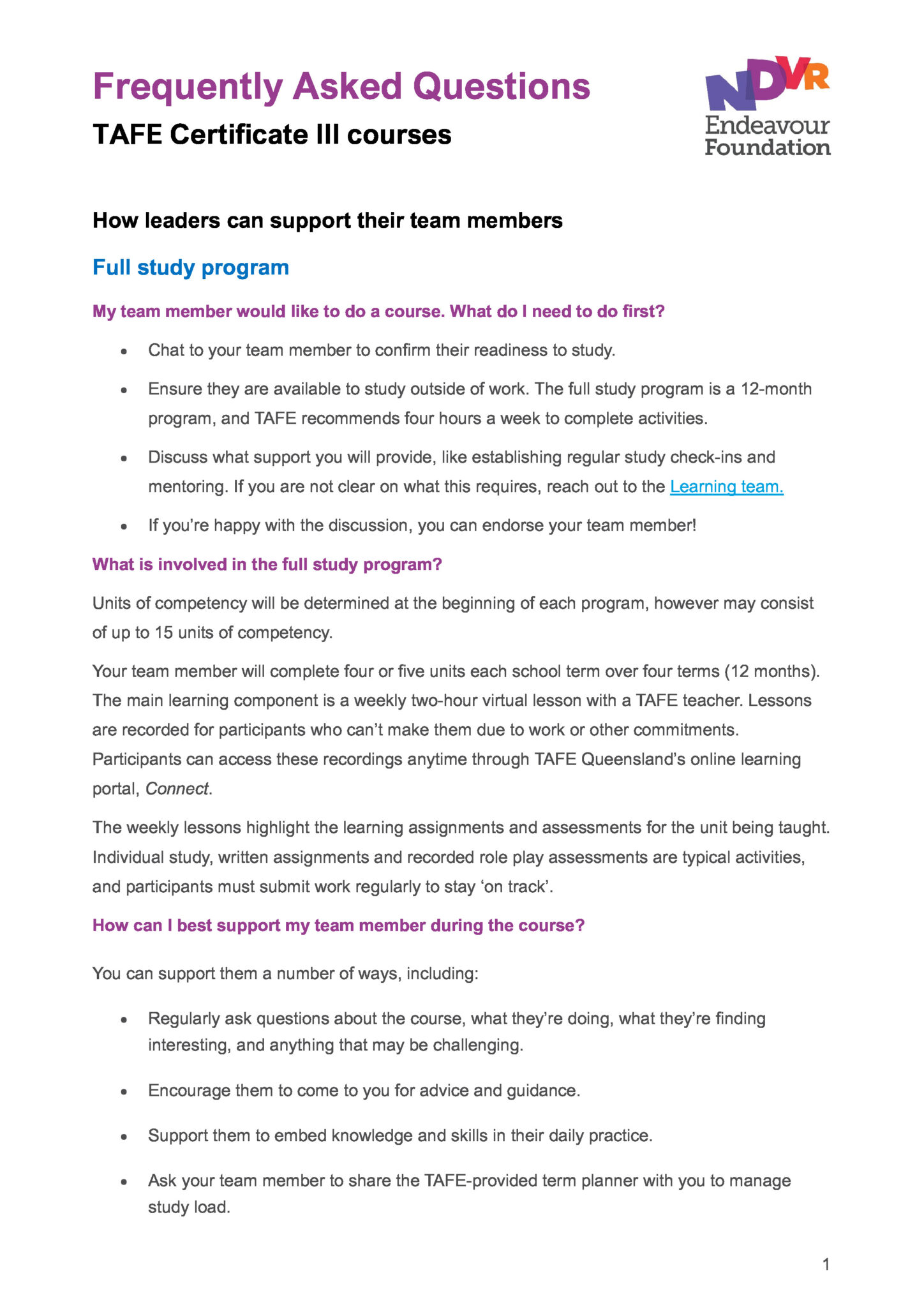
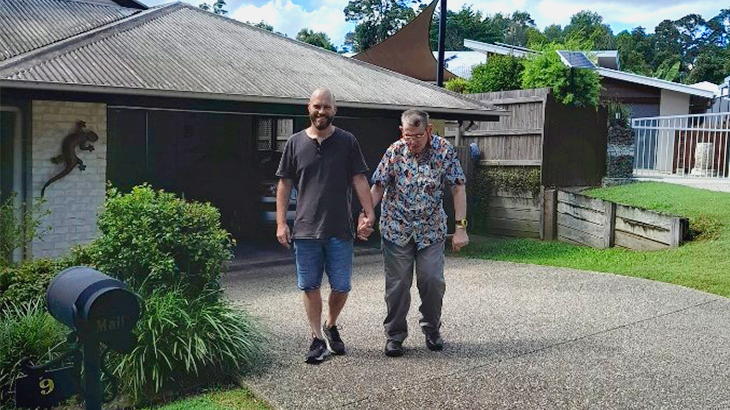
After years as a teacher, Andrew McNee sought a new career path, driven by his love for building meaningful relationships.

“Support work covers the very aspect of teaching I loved the most – the relationships with the people you want to grow and support.”

Enrolling in a Certificate III in Individual Support (Disability) deepened Andrew’s understanding of supporting client independence.

With support from his leader, who encouraged him to pursue the certificate, Andrew feels a renewed sense of purpose, saying, “Now the ambiguity has gone away – I’m not second guessing myself.”

Emily Embodies Passion

View Emily’s Story

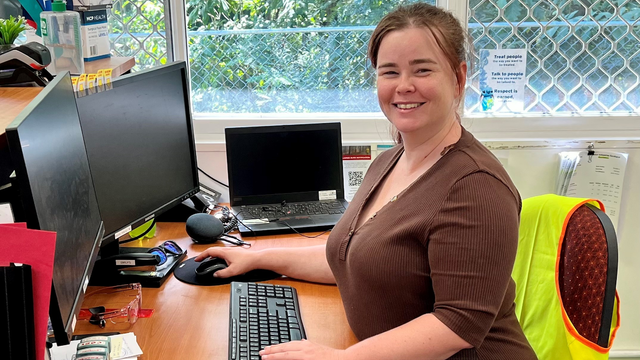
Emily Valiontis works in our recycling centre administration, but her ultimate goal is to work in direct care with our employees.

Emily explains, “Being an employment coach is my dream. I want to have that sort of impact, where someone might look back and say, ‘Wow, Emily was really helpful.’”

To reach her goal, Emily enrolled in a Certificate III in Individual Support (Disability), then accessed internal resources to give her guidance.

“I got an outline and a timeline of how best I can achieve my goals,” Emily shared. “I felt Endeavour Foundation wanted improvement for all their employees.”

Jashinta’s Fast-Tracked Journey

View Jashinta’s Story

Support Worker Jashinta Nair, fast-tracked her Certificate III in Individual Support (Disability) in just four weeks through Recognition of Prior Learning (RPL).

This process validated her existing skills from two and a half years of support work experience, letting her earn the qualification quickly by compiling documentation on her practices, like preparing progress notes.

“I found the process very straightforward and the theory relatable,” Jashinta said.

“We do these things every day, and now I’m relating the theory to the practice.” Jashinta has simple advice for others: “Do it, take the opportunity! You won’t regret it!”

News

View all