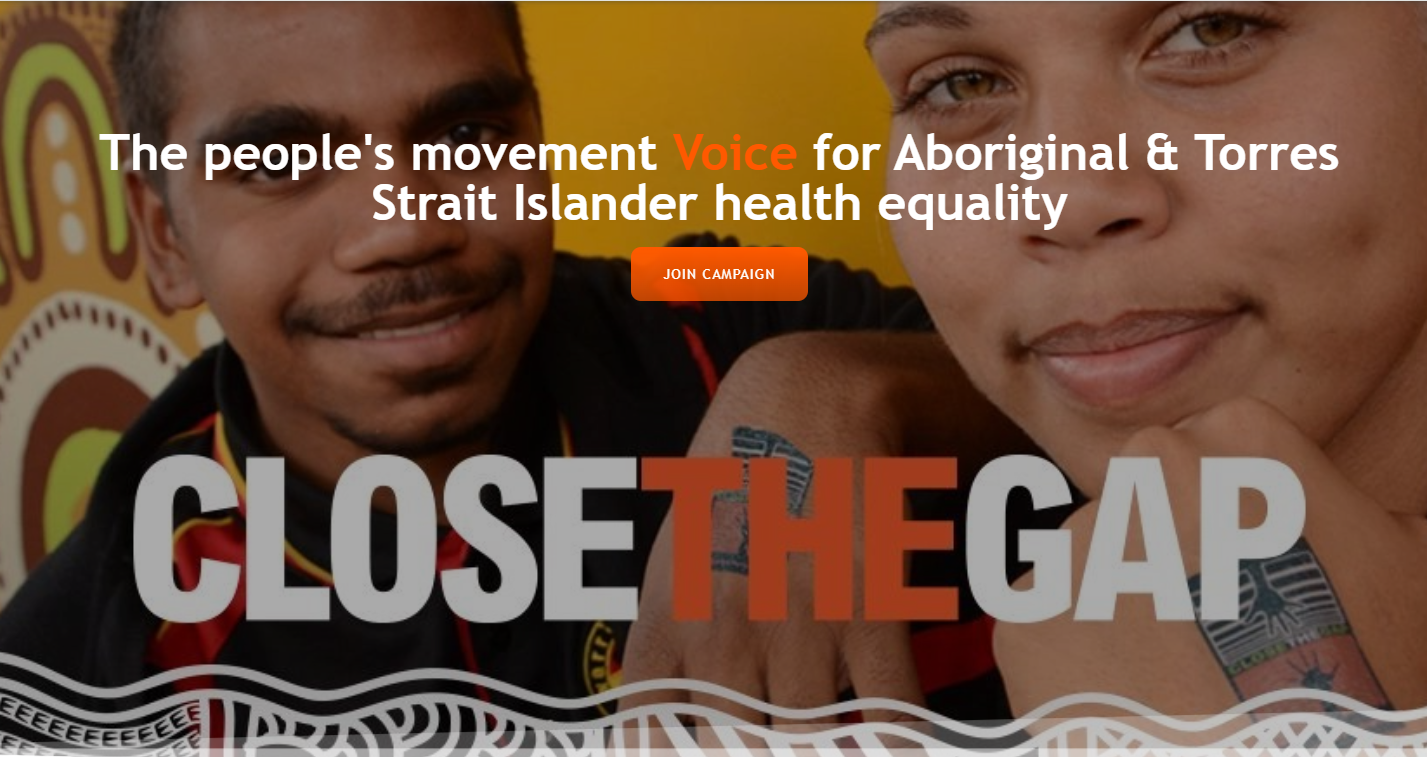
On the third Thursday of March each year, National Close the Gap Day reminds us of the unequal health outcomes faced by Aboriginal and Torres Strait Islander peoples, particularly the life expectancy gap between Aboriginal and Torres Strait Islander peoples and non-Indigenous Australians.
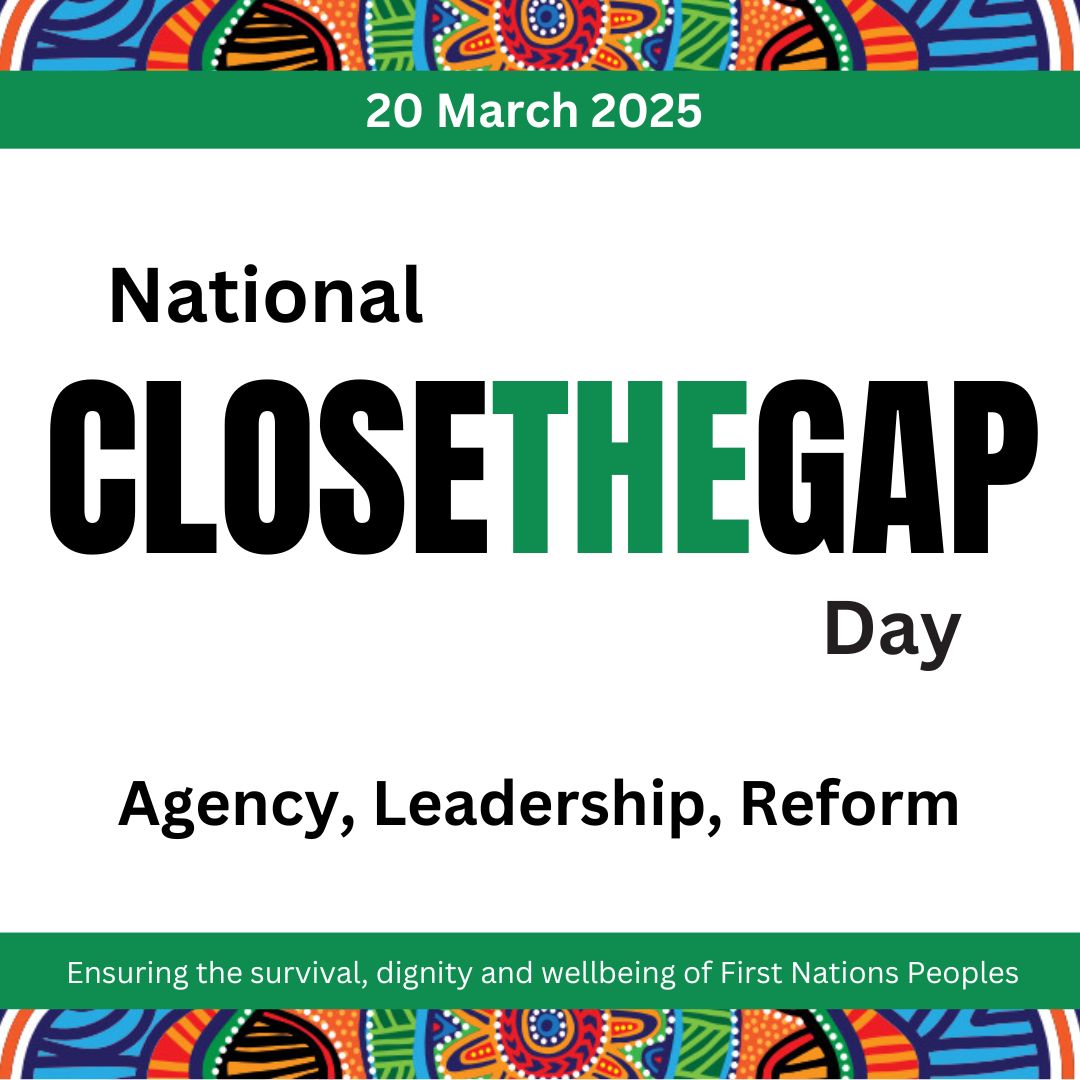
This year’s theme is Agency, Leadership, Reform, ensuring the survival, dignity, and wellbeing of First Nations peoples. It addresses factors like economic, social, and cultural challenges that impact life expectancy.
Aboriginal and Torres Strait Islander peoples are 1.5 times more likely to live with disability, due to factors such as low birthweight, chronic disease, preventable illnesses, and reduced access to treatment – often due to culturally unsafe services or geographical barriers. These issues are compounded by the ongoing impacts of colonisation.
As an organisation dedicated to empowering people with disability, we proudly support and collaborate with people we support and employees. We recognise that respecting Aboriginal and Torres Strait Islander peoples and cultures, listening and valuing their lived experiences, leads to better outcomes.
Together we can create meaningful change and take steps forward in the journey towards reconciliation and achieving equality in health outcomes for First Nations communities.
Here’s how you can get involved 💜
- Read more on the official Close the Gap website.
- Educate yourself and others by building your knowledge of First Nations culture and history through our Cultural Appreciation modules on Engage.
- Learn more about how you can create a more culturally safe workplace using our guides on our Reconciliation page.
- Sign the Close the Gap pledge and share it with your friends.
- Contact your local Member of Parliament to ask what they are doing to Close the Gap.
- Like and share posts from the Close the Gap Facebook page using the hashtag #ClosetheGap.
By spreading the word and showing support, we can help governments fulfil their commitment to health equality for Aboriginal and Torres Strait Islander peoples.
News
View all
Director Election Expression of Interest

Are you in email overload?
Grant funding brings new life to Alex Hills L&L

BRACE proposed changes
Fire Services – Chubb Fire & Security is our new provider